Inventory & Warehouse Management
Inventory and warehouse management systems are crucial for streamlining operations and boosting efficiency in businesses by monitoring stock levels, managing orders, and optimising storage. These systems utilise automation and real-time data to enhance accuracy and reduce human errors, key benefits for companies in retail, manufacturing, and distribution sectors. They often integrate with other business software such as POS systems, enabling seamless operations from inventory tracking to sales processing.
Visualising the Impact of Efficient Inventory & Warehouse Systems
Inventory and warehouse management systems are specialised software solutions designed to streamline the complex tasks of managing inventory levels, processing orders, and tracking warehouse operations. These systems enhance operational efficiency by utilising automation and real-time data analytics, allowing businesses to monitor stock accurately, reduce human errors, and optimise storage space. Such systems are essential for firms in sectors like retail, manufacturing, and distribution, where accurate stock management is critical to meeting customer demand and maintaining low operational costs.
Common types of inventory and warehouse management systems include cloud-based solutions, automated warehouse systems, and integrated platforms that support other business functions like point of sale (POS) systems. When selecting a system, businesses should consider factors such as scalability, integration capabilities with existing software, ease of use, and specific feature requirements relevant to their industry. By investing in robust inventory management solutions, companies can improve inventory tracking, enhance order processing efficiency, and ultimately drive sustainable growth.

Automate Inventory Tracking
Automation in inventory management systems reduces the need for manual tracking, minimizes errors, and allows for efficient real-time monitoring of stock levels.

Leverage Real-Time Insights
Utilising real-time data analytics in warehouse systems enables better decision-making by providing up-to-date inventory status and trends, helping businesses respond swiftly to changing demands.

Maximise Storage Efficiency
Advanced systems optimise warehouse layouts by intelligently assigning space and resources, ensuring efficient storage and retrieval processes, ultimately enhancing warehouse productivity.

Enhance System Integration
Seamless integration with other business systems such as POS and CRM ensures cohesive operations and data consistency across various departments, improving overall efficiency.

Adaptable to Business Growth
Scalable inventory management systems expand alongside business growth, providing the flexibility needed to accommodate increased goods volume and complexity without overhauls.

Minimising Human Errors
By automating mundane and repetitive tasks, these systems significantly reduce human errors in order processing and stock management, leading to increased precision and reliability.

Drive Cost Efficiency
Implementing advanced inventory systems can lead to substantial cost savings by optimizing resource allocation, reducing stock wastage, and improving overall management efficiency.

Meet Customer Demands
Efficient systems ensure that customer demand is always met accurately and on time by optimizing inventory levels and streamlining order fulfillment processes.
Expert Insights into Inventory & Warehouse Management Systems
Inventory and warehouse management systems are essential software solutions that facilitate the streamlined management of stock, orders, and overall warehouse operations. These systems utilise automation and real-time data analytics to ensure accurate stock monitoring, reduce human error, and optimise the use of storage space. In industries such as retail, manufacturing, and distribution, they play a crucial role by enabling companies to maintain precise stock levels, meet customer demands efficiently, and control operational costs.
There are several types of inventory and warehouse management systems available, each offering unique functionalities tailored to specific business needs. Commonly used systems include cloud-based platforms that offer remote accessibility and scalability, integrated systems that synchronise with existing business applications like point of sale systems, and automated warehouse solutions that leverage robotics and IoT devices for real-time inventory tracking. The choice of a management system should be guided by factors such as ease of integration, scalability, industry-specific requirements, and user-friendliness.
Implementing robust inventory and warehouse management systems can significantly enhance a business’s operational efficiency. By investing in these specialised solutions, companies can streamline their order processing, achieve accurate inventory tracking, and make data-driven decisions that contribute to intelligent growth strategies. Selecting the right system aligned with business objectives not only helps in meeting immediate logistical needs but also supports sustainable long-term expansion.
Achieve Operational Excellence with Advanced Inventory Systems
Inventory and warehouse management systems are specialised software solutions that enhance operational efficiency by automating tasks such as inventory tracking, order management, and warehouse operations. These systems utilise real-time data analytics to provide accurate stock monitoring, reducing human errors and ensuring optimal use of storage space. Widely utilised in retail, manufacturing, and distribution sectors, these systems help businesses maintain precise inventory levels and efficiently meet customer demands.
The main types of inventory and warehouse management systems include cloud-based platforms for remote accessibility and scalability, integrated systems that work seamlessly with existing applications like point of sale systems, and automated solutions leveraging IoT and robotics for real-time inventory tracking. Choosing the right system involves evaluating integration ease, scalability, industry-specific requirements, and user-friendliness to meet the unique needs of a business.
Implementing comprehensive inventory and warehouse management systems can significantly improve a business’s productivity. These systems streamline order processing, ensure accurate stock control, and facilitate data-driven decision-making, supporting intelligent growth strategies. By aligning the chosen system with business objectives, companies can not only address immediate logistical needs but also enable sustainable long-term development.
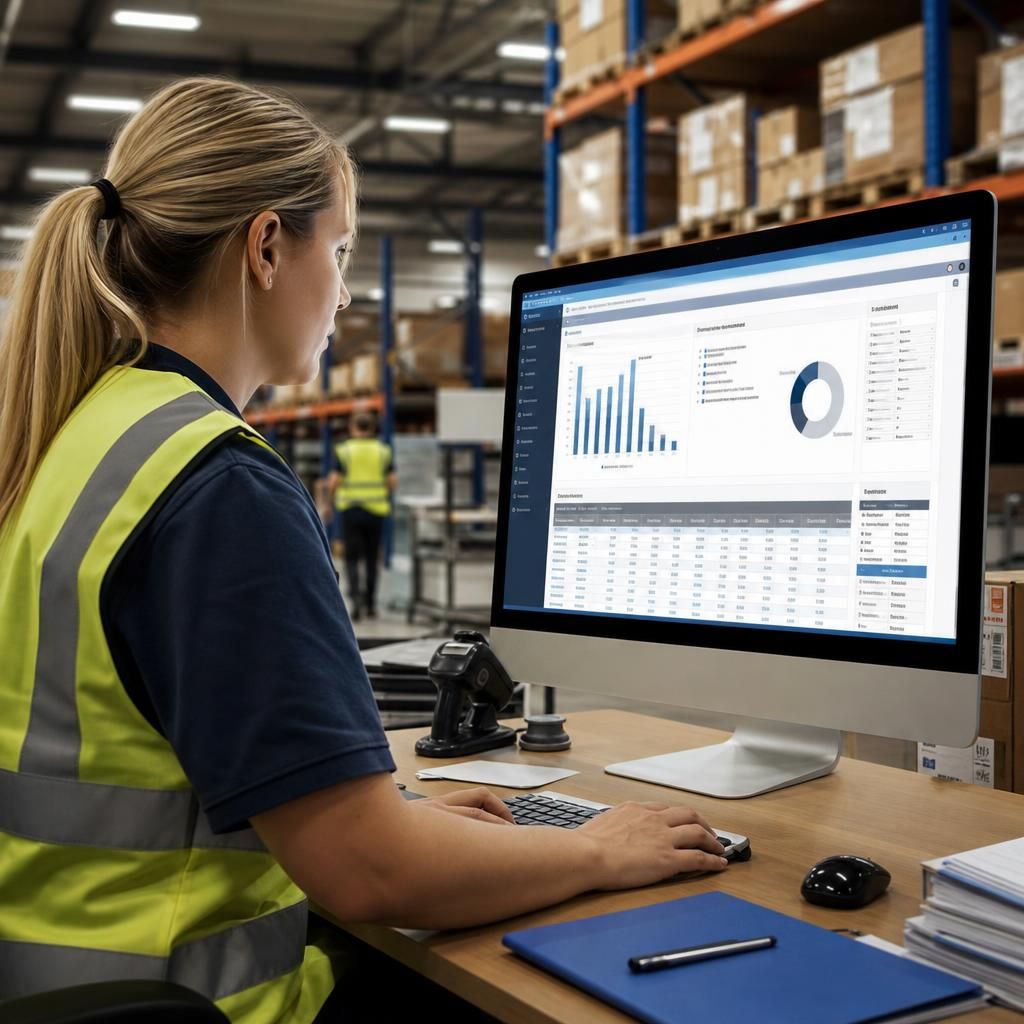
The Step-by-Step Guide to Implementing Inventory & Warehouse Systems
Implementing inventory and warehouse systems involves a structured approach that ensures seamless integration and maximises operational efficiency. Each phase is designed to address specific needs, from initial assessment to full-scale deployment and ongoing support.
Initial Consultation and Needs Assessment
The initial step involves conducting a thorough consultation to understand your business requirements and evaluate current inventory and warehouse management practices. This assessment helps identify the gaps and tailor a solution that meets specific operational needs.
System Selection and Customisation
Based on the assessment, we select and customise an inventory and warehouse management system that aligns with your business goals. Factors such as scalability, integration capabilities, and industry-specific features are considered to ensure the system is a perfect fit.
Implementation Plan and Preparation
Developing a comprehensive implementation plan is crucial. It includes setting timelines, allocating resources, and preparing the existing infrastructure for the new system. This phase ensures a smooth transition with minimal disruption to daily operations.
Data Migration and Integration
Accurate data migration from existing systems and seamless integration with other business applications, such as ERP or POS systems, is carried out. This step is vital to ensure consistent and reliable data across all platforms.
Training and User Adoption
Training sessions are conducted to educate staff about the new system, focusing on navigation, key features, and best practices. Facilitating user adoption is essential for maximising the potential of the implemented solutions.
Go-Live and Initial Monitoring
The system goes live following exhaustive testing. Initial monitoring ensures everything operates as intended, with immediate support available to resolve any teething issues.
Ongoing Support and Maintenance
Post-implementation support and regular maintenance are provided to ensure the long-term success of the system. This includes updates, troubleshooting, and performance reviews to adapt to evolving business needs.
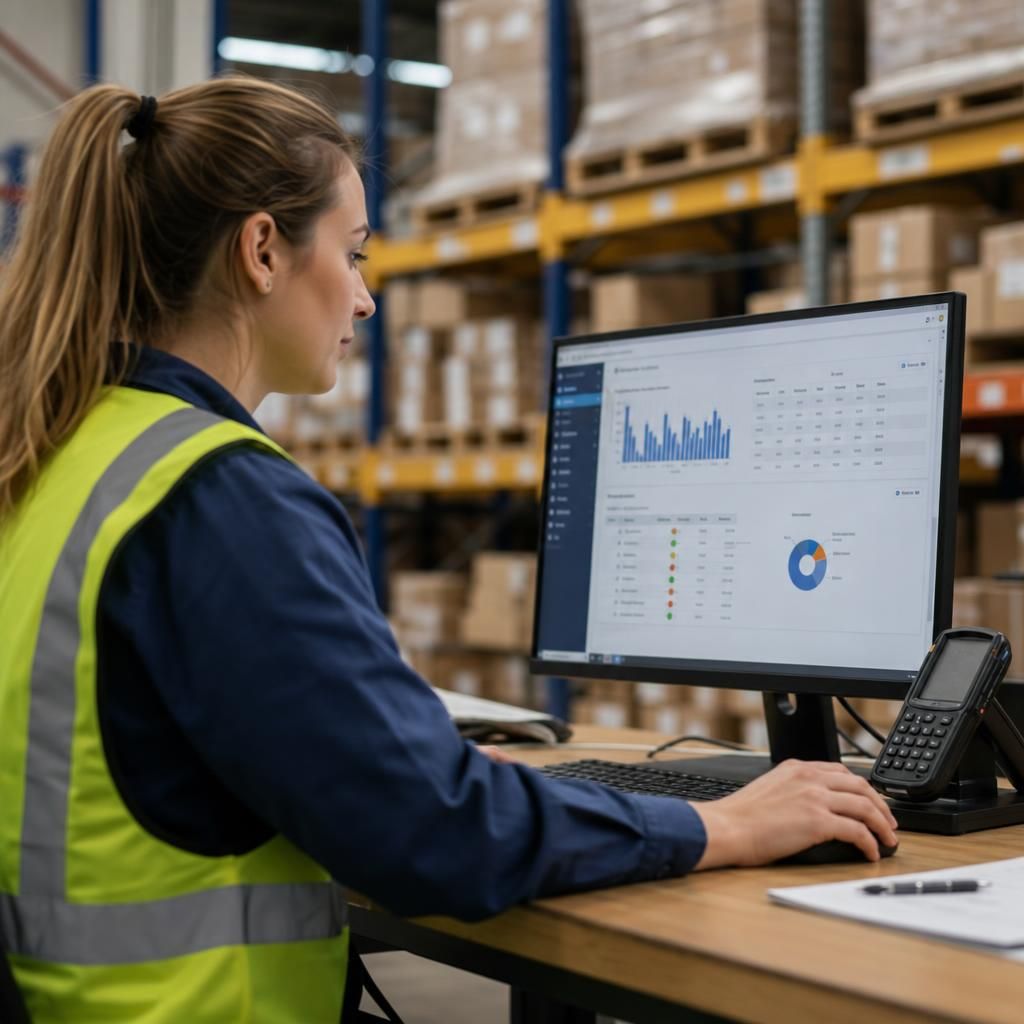
Master Inventory Control with Smart Warehouse Solutions
Inventory and warehouse management systems are specialised software solutions that focus on efficiently managing stock levels, overseeing order processes, and optimising warehouse operations. These systems use real-time data analytics to provide accurate inventory insights, reducing errors and enhancing storage utilisation. This makes them invaluable tools for sectors like retail, manufacturing, and distribution, where precise inventory control is crucial.
Common types of systems include cloud-based platforms that offer the advantages of scalability and remote access, as well as integrated solutions that seamlessly connect with existing business applications, such as point of sale systems. Automated solutions often harness IoT and robotics to facilitate real-time inventory tracking, further elevating operational accuracy.
Choosing the right inventory and warehouse management system requires consideration of factors such as integration capability, scalability potential, and industry-specific needs. By carefully evaluating these elements, businesses can select a system that not only meets their immediate logistical requirements but also supports their strategic growth objectives over the long term.
Inventory & Warehouse System FAQs
What are the key benefits of implementing a cloud-based warehouse management system?
Inventory management systems automate stock monitoring, ensuring accurate tracking and reduced errors. These systems improve efficiency by integrating with other business applications, providing real-time data for informed decision-making.
How do automated inventory systems enhance warehouse operations?
Automated inventory systems monitor stock levels in real-time, optimise picking routes, and integrate data analytics to enhance operational efficiency, thereby reducing errors and labour costs in warehouse operations.
What factors should be considered when choosing a warehouse management system for a small business?
Consider ease of integration with existing systems, scalability for growth, user-friendly interfaces, industry-specific features, cost-effectiveness, and support services when selecting a warehouse management system.
How can integrating IoT technology transform inventory management in warehouses?
Integrating IoT technology enables real-time inventory tracking, automates stock updates, and enhances data accuracy. This transformation improves warehouse efficiency by reducing manual checks and providing precise inventory insights.
What are the advantages of using a cloud-based inventory management software for small businesses?
Cloud-based inventory management software offers real-time data access, scalability, and remote management. It enables small businesses to streamline operations, improve accuracy, and reduce IT costs through minimal infrastructure requirements.
Trust Our Expertise for Proven Inventory & Warehouse Success
Our proven track record in delivering top-tier inventory and warehouse management systems underscores our commitment to enhancing operational efficiency. Trust us to guide your business towards streamlined order processing and reliable stock management. Explore our solutions today.
Key Questions About Inventory & Warehouse Management Systems
How do inventory and warehouse management systems integrate with other existing business software?
Inventory management systems optimise the oversight of stock levels and order processes, minimising errors through real-time data insights. They integrate with existing software for seamless operations, crucial for retail and manufacturing.
What are the most essential features to look for in an inventory and warehouse management system?
Key features include real-time tracking, scalable cloud integration, automation capabilities, and seamless connectivity with POS systems, all essential for precise inventory control and enhancing overall operational efficiency.
How can businesses measure the ROI of implementing inventory and warehouse management systems?
Businesses can measure ROI by evaluating improvements in operational efficiency, reduced inventory holding costs, and increased turnover rates. Success is also indicated by enhanced data accuracy and customer satisfaction.
What industries most benefit from implementing inventory and warehouse management systems, and why?
Industries such as retail, manufacturing, and logistics gain the most, as these systems streamline stock management, enhance real-time accuracy, and support scalable growth, addressing specific sector demands and operational complexities.
What are the potential challenges and solutions when implementing an inventory and warehouse management system?
Challenges include system incompatibility, high implementation costs, and staff training. Solutions involve thorough planning, choosing scalable systems with integration capabilities, and providing comprehensive training to ensure smooth adoption across the organisation.