Asset & Fleet Management Solutions
Asset and fleet management solutions streamline the monitoring and maintenance of physical assets, enhancing operational efficiency and reducing downtime. These systems provide comprehensive tools for asset tracking, maintenance scheduling, and fleet management, enabling businesses to maximise their asset utilisation. Understanding the capabilities of asset management software, such as facilities management and field service applications, is crucial for selecting tools that align with your strategic needs. Explore popular software types, including enterprise asset management and fleet tracking solutions, to ensure effective oversight of your resources.
Imagining the Future of Operational Efficiency
Asset and fleet management software is critical for optimising the stewardship of physical assets and company fleets. These systems play a pivotal role in asset tracking, maintenance scheduling, and performance monitoring, ensuring that all company resources are used to their full potential. By leveraging advanced tracking solutions, businesses can not only prolong the lifespan of their assets but also reduce the burden of manual processes, thereby improving overall operational efficiency. This type of software often includes features like real-time GPS tracking, maintenance management, and data analytics, which help companies make informed decisions about their assets.
When exploring asset and fleet management solutions, it’s essential to consider the specific needs of your operations, such as whether your focus is on maintenance management, fleet usage optimisation, or asset depreciation tracking. Options range from basic systems suitable for smaller operations, to comprehensive enterprise asset management solutions that integrate seamlessly with existing company workflows. Factors like scalability, ease of use, and compatibility with current systems should guide your selection process, ensuring that your chosen software will meet both immediate needs and facilitate long-term growth. As organisations increasingly look to digital solutions to streamline operations, investing in the right asset and fleet management software can be a decisive factor in driving sustainable business success.
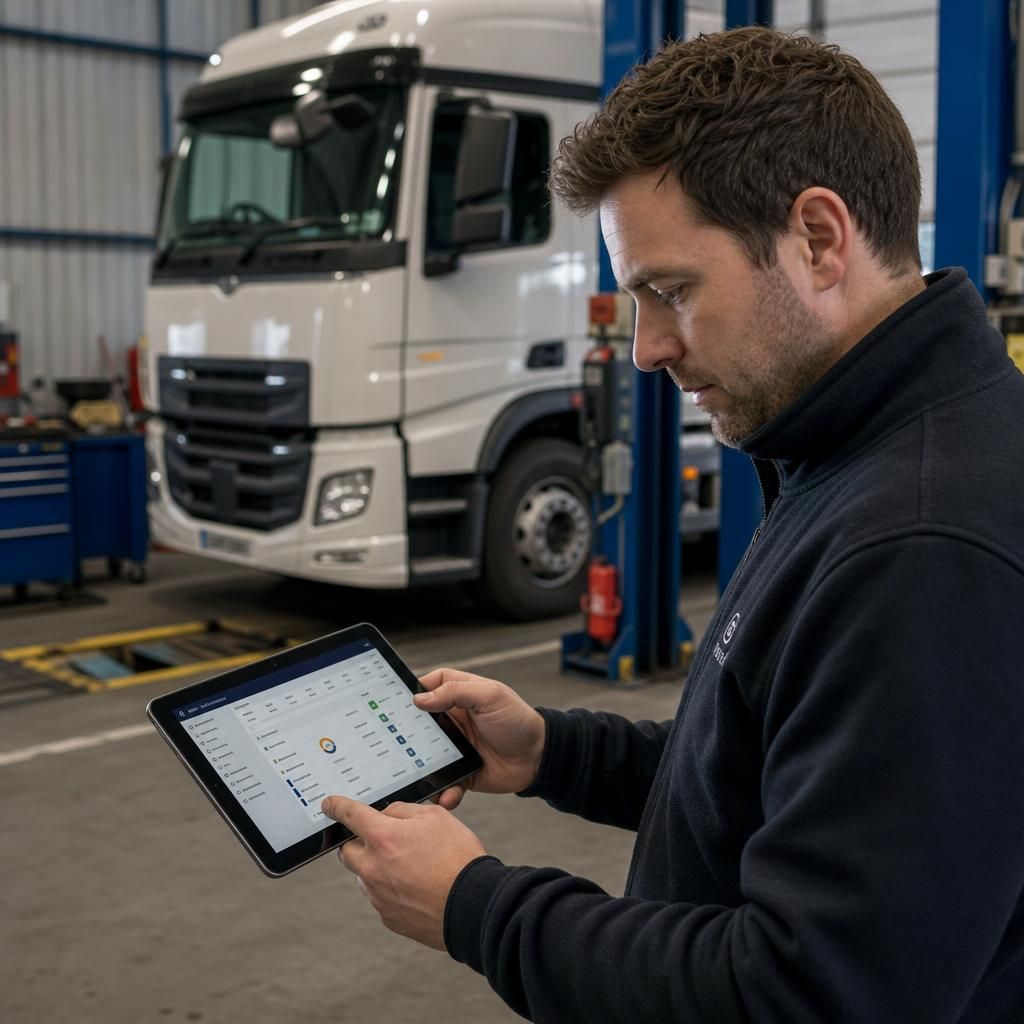
Advanced Asset Tracking
Asset tracking software provides real-time data on the location and status of assets, allowing for effective resource allocation and reducing the risk of loss or theft. Implementing such systems allows businesses to maintain accurate inventory levels and ensure operational readiness.
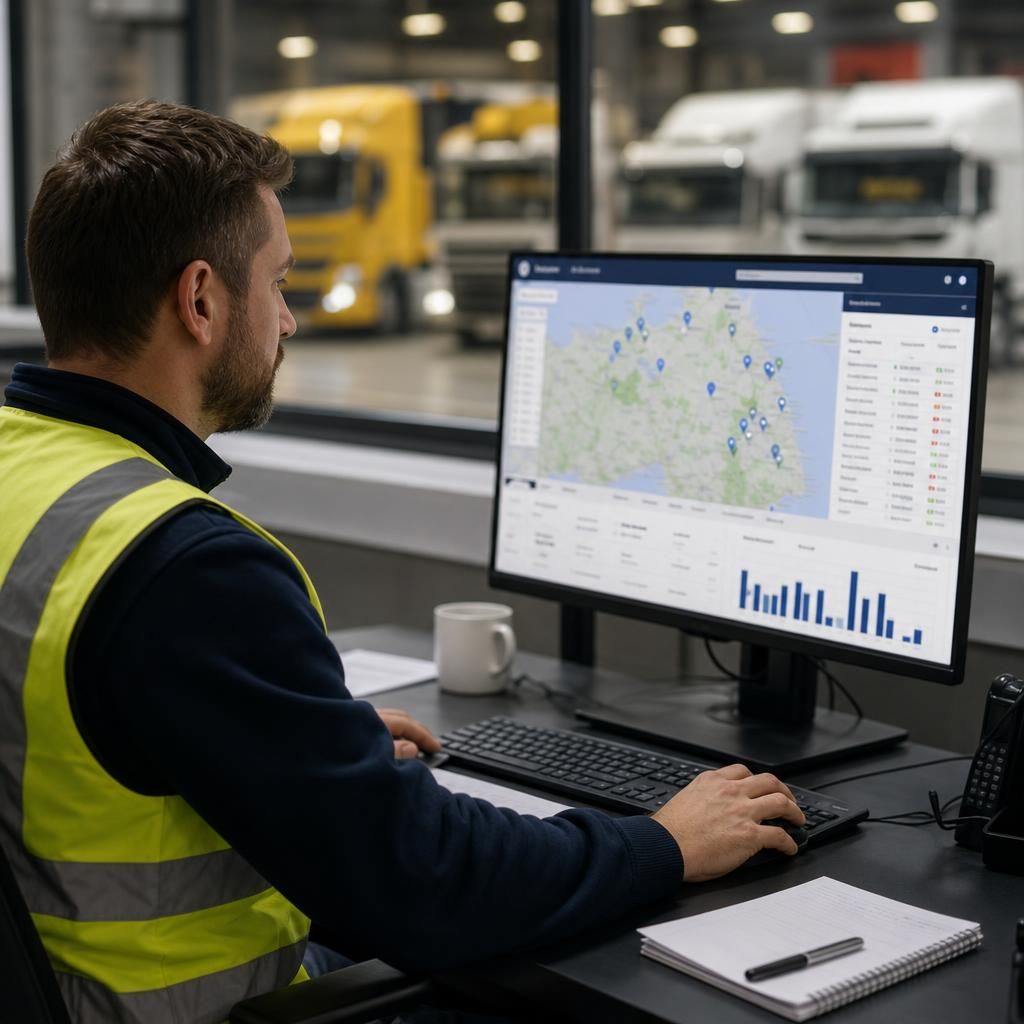
Efficient Maintenance Scheduling
Effective maintenance scheduling is key to prolonging asset lifespan and minimising downtime. Automated scheduling systems help plan regular maintenance tasks, reducing the manual workload and ensuring critical machinery and assets are likely to operate optimally and efficiently.
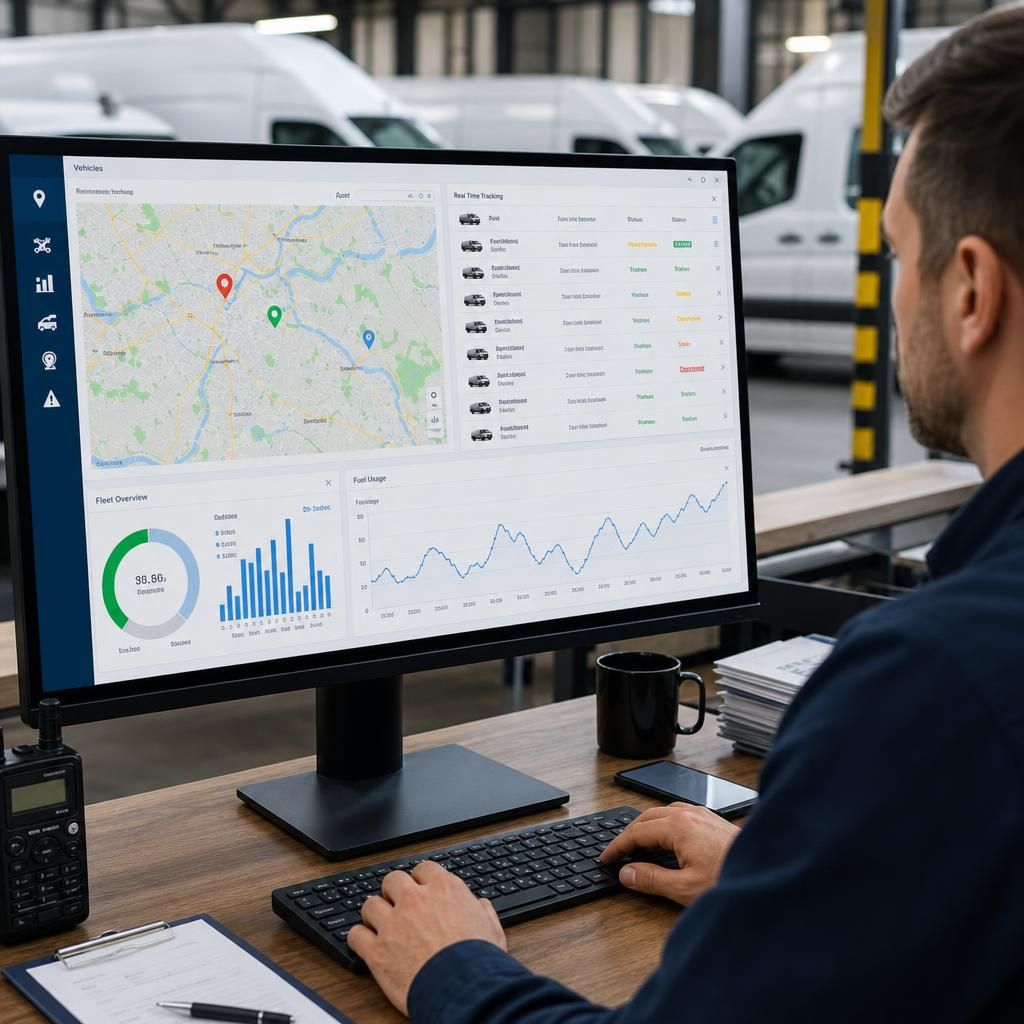
Comprehensive Fleet Management
Fleet management software integrates GPS tracking and performance monitoring to optimise fleet usage. These tools provide insights into vehicle health and driver behaviour, leading to improved route planning, reduced fuel consumption, and enhanced safety.
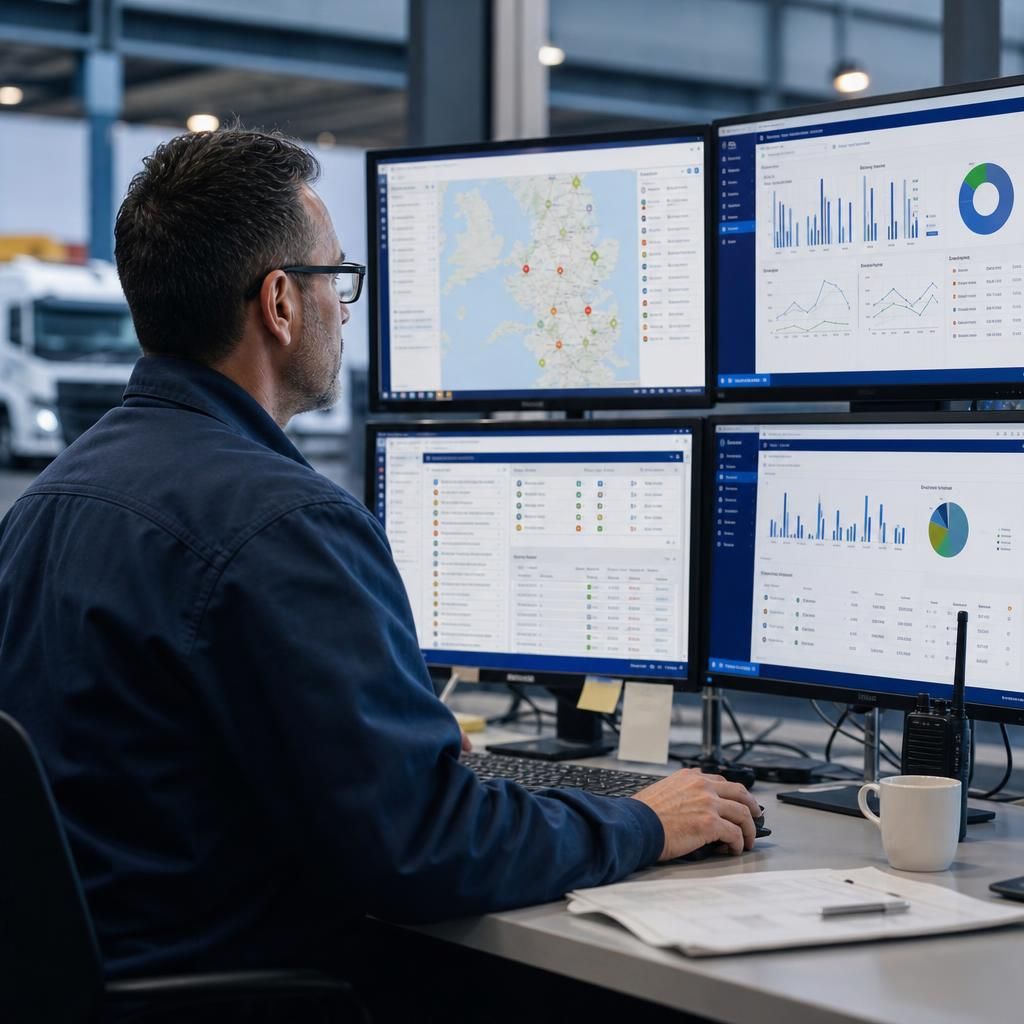
Data-Driven Decisions
Leveraging data analytics within asset management systems allows businesses to identify patterns and predict future maintenance needs. Informed decision-making improves resource allocation and strategy formulation, directly impacting operational efficiency.
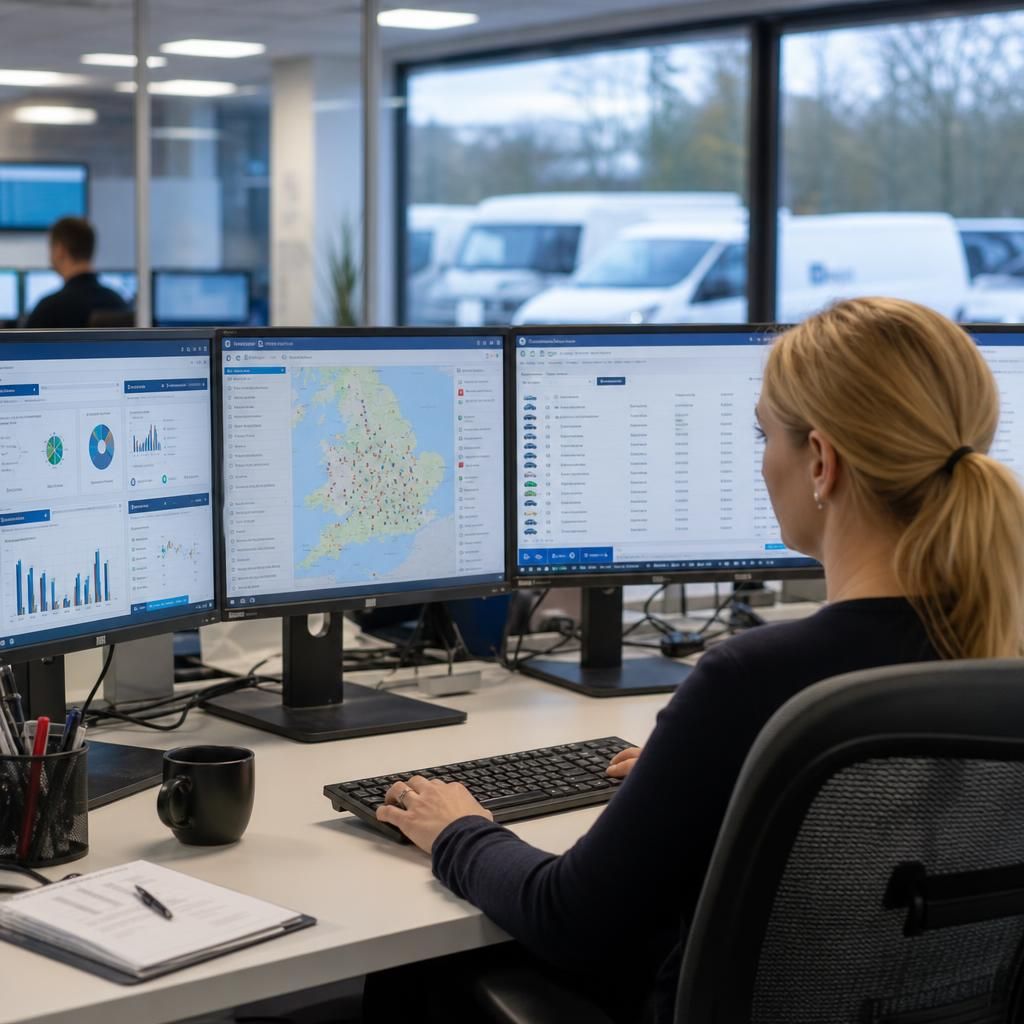
Seamless Software Integration
Ensuring seamless integration with existing business systems is critical when implementing asset and fleet management software. This compatibility enhances productivity by allowing synchronised operations across different platforms, eliminating data silos.
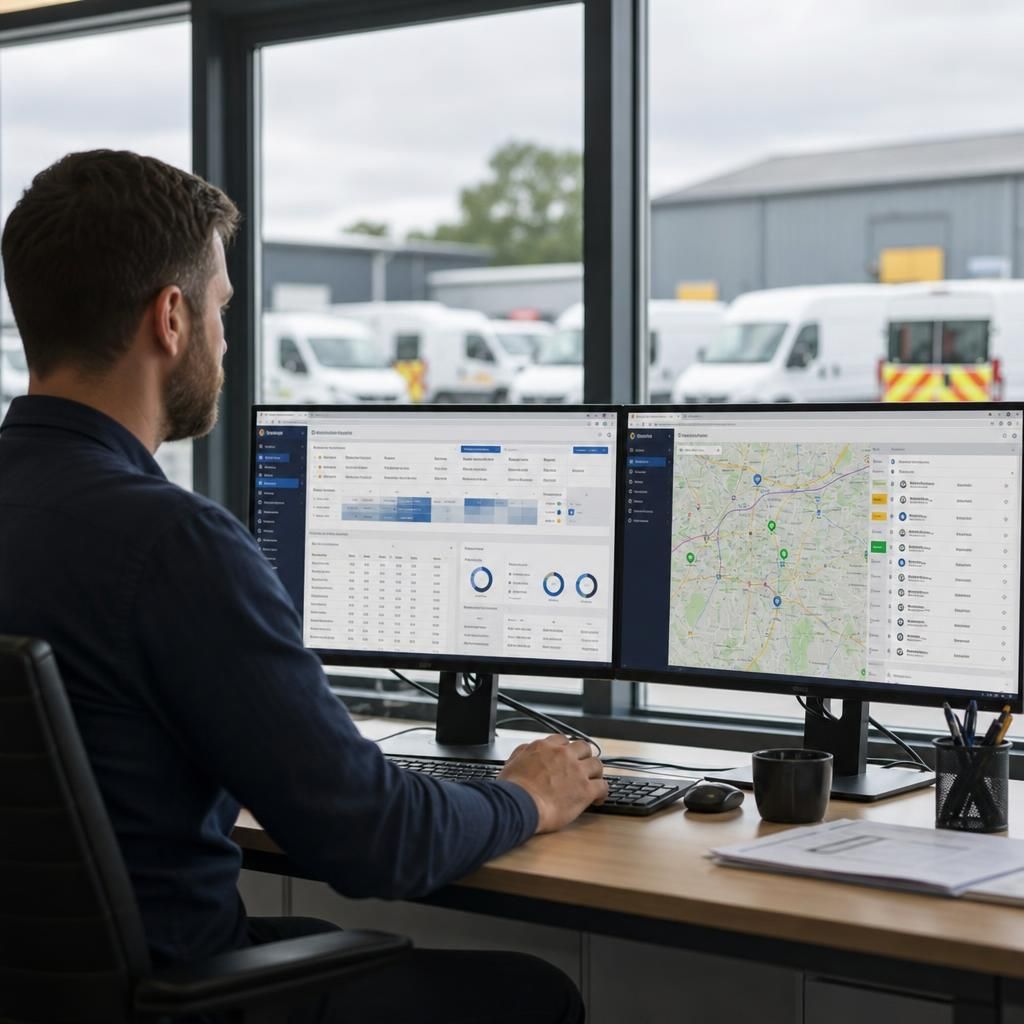
Real-Time Monitoring Capabilities
Real-time monitoring provides immediate insights into asset utilisation and condition, enabling proactive maintenance and swift response to potential issues. This capability is essential for maintaining high availability of critical assets and reducing unexpected breakdowns.
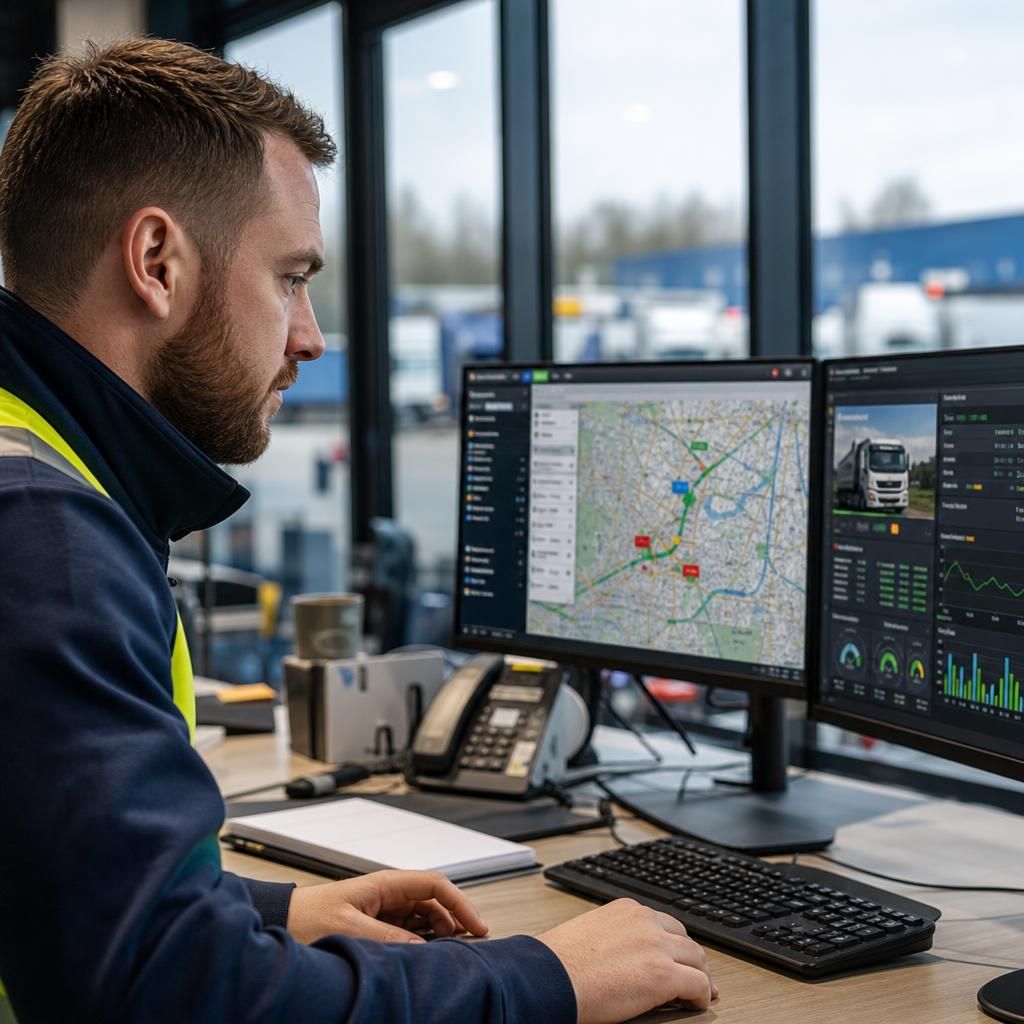
Customisable Solutions
Customisable asset and fleet management solutions cater to specific industry needs, offering features like configurable reporting and flexible user access controls. These tailored approaches accommodate unique operational requirements and scalability for future growth.
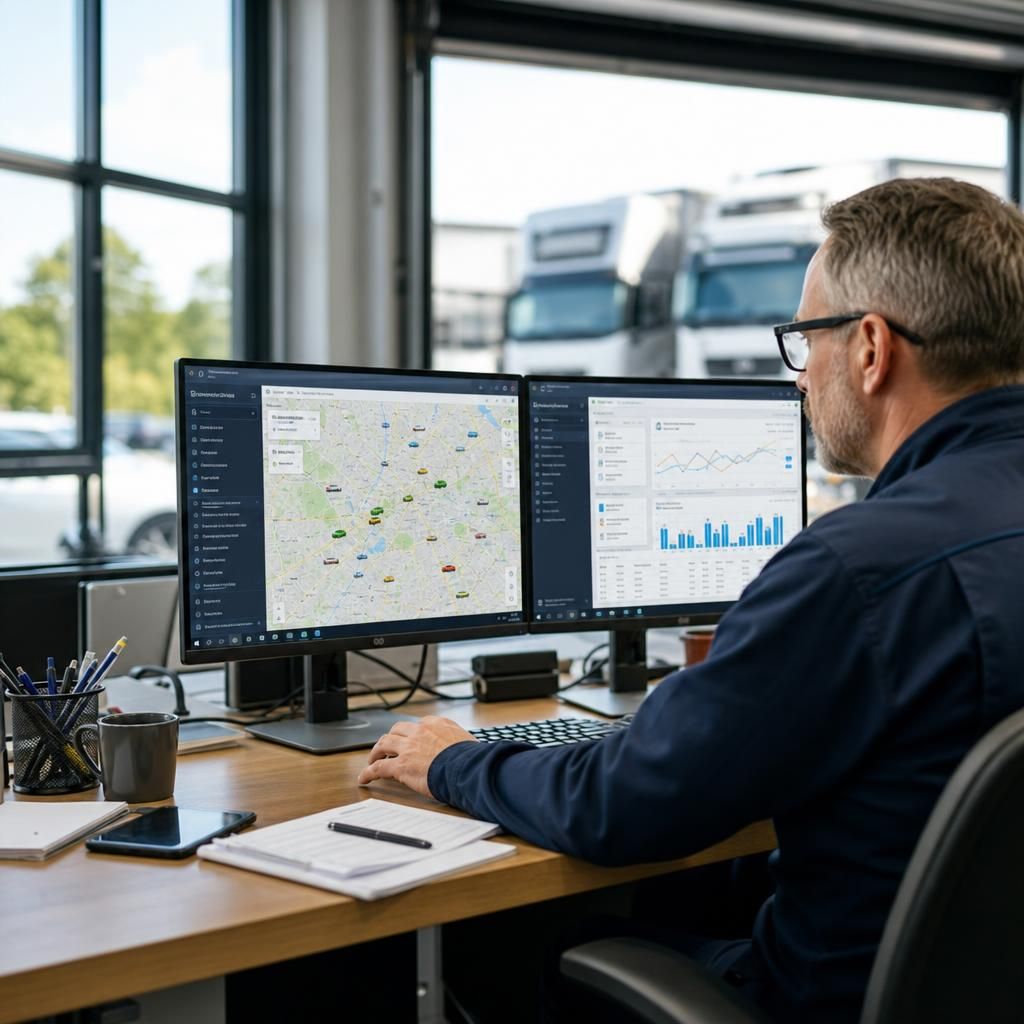
Enhancing Cost Efficiency
Implementing robust asset and fleet management solutions can lead to cost savings by minimising downtime, reducing maintenance costs, and maximising asset utilisation. This not only helps in achieving financial objectives but also contributes to sustainable business growth.
Expert Insight into Asset and Fleet Management Software
Asset, fleet, and maintenance software solutions are specialised digital tools designed to streamline the management of physical assets and vehicle fleets within a business environment. These systems enable organisations to effectively track asset locations, monitor maintenance schedules, and analyse fleet operations. By leveraging features such as real-time GPS tracking and automated maintenance alerts, companies can ensure optimal utilisation of their resources while minimising downtime and operational disruptions. Asset management software typically includes capabilities for facilities management, field service operations, and enterprise asset management, making it a versatile solution for various industry needs.
When choosing asset, fleet, and maintenance software, it’s essential to assess the specific requirements and scale of your organisation. Businesses can opt for basic asset tracking tools with essential features for smaller operations or invest in comprehensive enterprise solutions that integrate with existing systems for larger and more complex needs. Critical factors to consider include the software’s scalability, user-friendliness, and compatibility with existing workflows, ensuring that the solution not only addresses current operational challenges but also adapts to future growth and innovation.
Advanced asset management systems often incorporate data analytics tools, providing insights into resource allocation and utilisation efficiency. By analysing patterns in asset usage and fleet performance, businesses can make data-driven decisions that enhance productivity and cost-effectiveness. The integration of these systems with accounting platforms and maintenance management software can further streamline financial and operational processes, making them an invaluable component of a robust digital infrastructure. Selecting the right asset, fleet, and maintenance software can thus play a critical role in driving sustainable business success and operational excellence.
Unlock Operational Efficiency with Expert Software Solutions
Asset, fleet, and maintenance software offers digital tools designed to optimise the management of physical assets and vehicle fleets. These systems ensure efficient asset tracking, maintenance scheduling, and performance monitoring, helping businesses maintain operational efficiency and reduce downtime. Common features include real-time GPS tracking and automated alerts for maintenance, enabling organisations to maximise resource utilisation.
When selecting software, businesses should consider factors such as scalability and compatibility with existing systems. Basic options offer essential tracking features for smaller operations, while enterprise solutions provide comprehensive capabilities that integrate seamlessly into larger digital ecosystems. This allows the software to grow alongside the business, adapting to future needs and technological advancements.
Advanced systems often incorporate data analytics, providing valuable insights into asset and fleet operations. Analysing these insights can lead to informed decision-making that enhances productivity and cost-effectiveness. Such integration with accounting and maintenance software streamlines both financial and operational processes, making these tools indispensable for achieving operational excellence and sustainable growth.

Step-by-Step Guide to Choosing the Right Asset, Fleet & Maintenance Software
When embarking on the journey to implement asset, fleet, and maintenance software, understanding each stage of the process is crucial. These stages typically include needs assessment, vendor selection, integration planning, deployment, and ongoing support, ensuring the software aligns with operational goals and adapts to business growth.
Initial Needs Assessment
Begin by conducting a thorough needs assessment to understand the unique requirements of your organisation. Consider factors such as the size of your asset and fleet inventory, the complexity of your operations, and the specific functionalities required. This stage is crucial to ensure the software you choose aligns closely with your operational goals and maximises the potential for efficiency enhancements.
Research and Evaluate Options
Investigate available asset, fleet, and maintenance software solutions by evaluating their features, scalability, and compatibility. Compare how different solutions meet your identified needs, focusing on user-friendliness, reliability, and integration capabilities. This comprehensive evaluation will ensure you select a solution that fits well with your existing infrastructure and future growth plans.
Vendor Selection and Negotiation
Once potential solutions have been identified, engage with vendors to better understand their offerings and support services. Use this opportunity to ask about costs, service level agreements, and customer support structures. Negotiate terms that provide value while ensuring the vendor can support your business needs effectively throughout the implementation.
Implementation Planning
Develop a detailed implementation plan involving key stakeholders and technical teams. This plan should outline timelines, resource allocations, and any potential disruptions during the deployment process. Effective planning minimises operational disruptions and ensures a smooth transition to the new software.
Training and Onboarding
Provide comprehensive training and onboarding programmes for all system users. This step is crucial for ensuring that employees are comfortable with the new tools and can fully utilise the features available. Proper training reduces resistance to new technology and fosters a culture of efficient asset and fleet management.
Integration with Existing Systems
Ensure that the new software seamlessly integrates with your existing systems, such as accounting, human resources, and logistics platforms. Proper integration is crucial for maintaining data consistency and optimising workflow efficiency, enhancing the overall value the new software brings to your operations.
Monitoring and Continuous Improvement
After implementation, establish a system for continual monitoring and feedback to identify areas for further improvement. Use analytics and user feedback to refine processes and ensure the software continues to meet your evolving business needs. This ongoing evaluation helps sustain efficiency gains and adapt to future changes in the operational landscape.
Ongoing Support and Maintenance
Ensure there is a robust support structure in place post-deployment, with regular maintenance checks and updates. This support ensures the software remains reliable and updated with the latest innovations, thus protecting the investment and maintaining optimal performance over time.

Comprehensive Asset & Fleet Software Insights
Asset, fleet, and maintenance software is designed to enhance the management of physical assets and vehicle fleets within an organisation. These systems provide advanced tools for asset tracking, maintenance scheduling, and fleet management, offering businesses the ability to optimise resource utilisation and operational efficiency. By automating maintenance alerts and incorporating real-time GPS tracking, such software minimises downtime and disruptions.
Key features of asset management solutions often include facilities management and field service applications, catering to diverse industry requirements. While smaller organisations might benefit from basic asset tracking systems, larger enterprises may require comprehensive solutions that integrate with existing operational and financial software.
Advanced asset management systems often contain data analytics capabilities, offering insights into asset usage and fleet performance. Such insights enable companies to make informed, data-driven decisions that enhance productivity and cost-effectiveness. The integration with accounting platforms further streamlines both financial and operational processes, making these tools essential for sustainable growth.
Key Questions About Asset, Fleet & Maintenance Software
What are the key features to look for in asset and fleet management software?
Asset, fleet, and maintenance software efficiently manages physical assets and fleets, incorporating tools for asset tracking, maintenance scheduling, and real-time analytics, ensuring optimal resource allocation and minimising operational disruptions.
How can asset and fleet management software improve operational efficiency?
Asset and fleet management software automates tasks like scheduling and tracking, allowing for real-time monitoring and enhanced decision-making. This increases resource efficiency and reduces operational downtime.
What are the integration capabilities of asset and fleet management software with existing systems?
These systems typically integrate with existing ERP, CRM, and accounting software, ensuring seamless data flow and unified operations. They enhance resource visibility, automate processes, and improve data-driven decision-making.
What security measures are in place for protecting data within asset and fleet management software?
Asset and fleet management software utilises encryption, regular security updates, and access controls to protect sensitive data. These measures ensure data integrity, confidentiality, and compliance with industry standards.
What are the cost considerations for implementing asset and fleet management software?
Cost considerations include the software's purchase price, subscription fees, and any additional charges for customisation, integration, and training. Evaluating total cost of ownership helps determine long-term affordability and ROI.
Trusted Solutions for Asset, Fleet & Maintenance Management
Our expertise in asset, fleet, and maintenance software integration empowers businesses to optimise their operations. Trusted by industry leaders, our solutions are designed to deliver measurable results and drive sustainable growth. Explore our offerings today.
Frequently Asked Questions about Asset, Fleet & Maintenance Software
What are the key features to look for in asset, fleet, and maintenance software to ensure it meets our operational needs?
Our integrated solutions quickly adapt to your evolving asset and fleet needs, ensuring seamless operations and alignment with business growth objectives.
How can integration with existing systems enhance the effectiveness of asset, fleet, and maintenance software?
Integration with existing systems boosts operational efficiency by consolidating data streams, streamlining processes, and enabling seamless data flow between departments, ultimately enhancing asset visibility and improving decision-making capabilities.
What factors should be considered when deciding between on-premises and cloud-based asset, fleet, and maintenance software solutions?
Consider data security, scalability, and cost-effectiveness. On-premises solutions offer greater control and security, while cloud-based options provide flexibility, reduced maintenance, and potential cost savings through subscription models.
What is the long-term ROI potential of implementing asset, fleet, and maintenance software in your organisation?
By enhancing asset visibility and operational efficiency, asset, fleet, and maintenance software reduces unnecessary expenditures, supports preventative maintenance, and optimises resource allocation, leading to substantial long-term financial savings and productivity improvements.
What are the essential steps to ensure successful implementation and user adoption of asset, fleet, and maintenance software?
Conduct a thorough needs analysis, establish clear goals, choose a suitable vendor, ensure seamless integration, provide comprehensive training, and maintain ongoing support to facilitate user adoption and system efficacy.