HR Platforms & Self-Serve Portals
HR platforms and self-serve portals are digital tools designed to streamline human resource management by enabling employees to perform HR-related tasks independently. These systems help organisations manage employee data, track application processes, and enhance overall HR operations without ongoing HR department intervention.
Envision Streamlined HR Efficiency with Self-Serve Portals
HR platforms and self-serve portals are integral components in modern human resource management, providing systems that facilitate employee independence in handling HR-related tasks. These digital solutions enable organisations to efficiently manage tasks such as recruitment, onboarding, employee data management, and recognition programmes, without necessitating constant HR department oversight. Such platforms often come with a range of features, including applicant tracking systems, HR management systems, and employee recognition software, all designed to streamline HR operations and enhance employee engagement.
Adopting these platforms can significantly reduce administrative burdens, improve data accuracy, and increase employee satisfaction by giving them control over their own HR-related activities. Businesses can choose from various self-serve portals tailored to specific needs, including intranet software, online HR systems, and comprehensive HRIS platforms. When selecting an appropriate HR platform, it is crucial to consider factors like integration capabilities with existing systems, ease of use, scalability, and data security to ensure the solution aligns with the organisation’s goals and infrastructure.
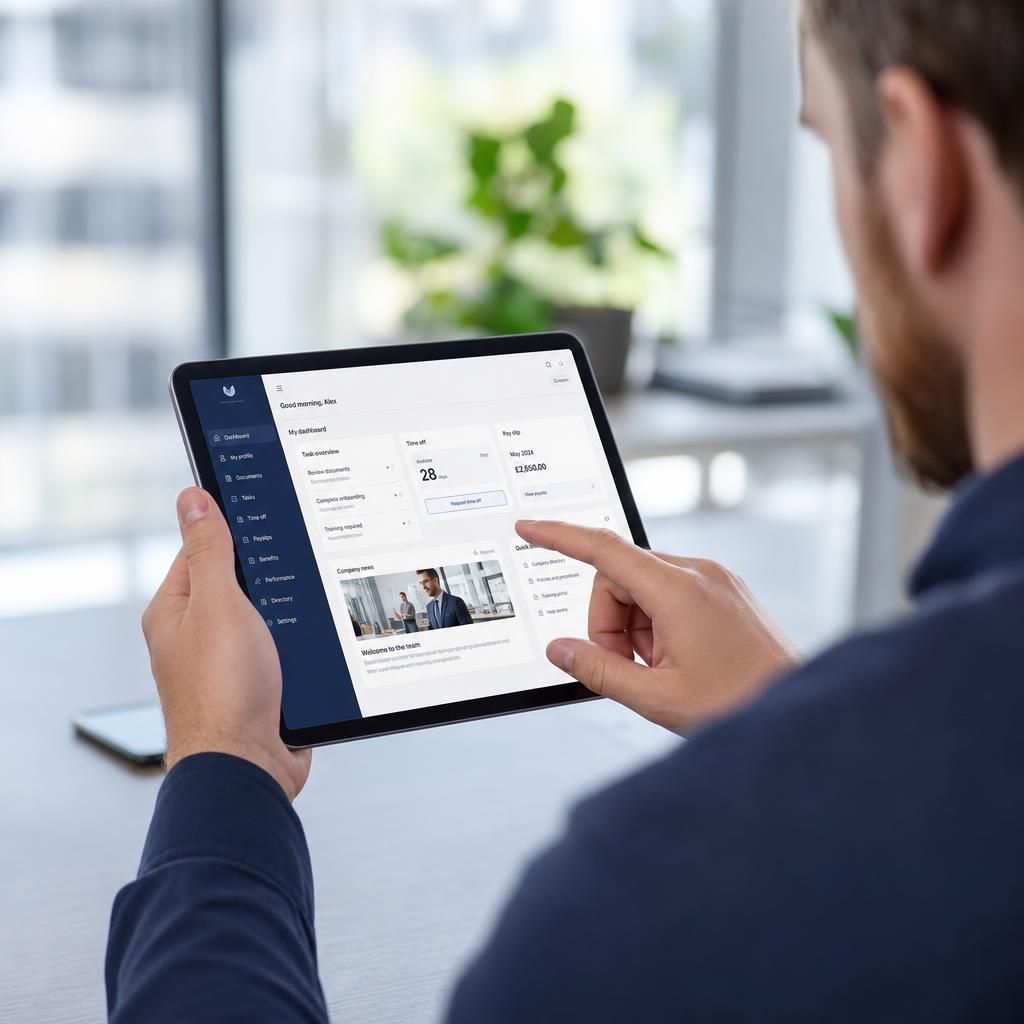
Centralised HR Management
View and manage all HR functions from a single platform, ensuring efficient tracking and updates without jumping between different systems.
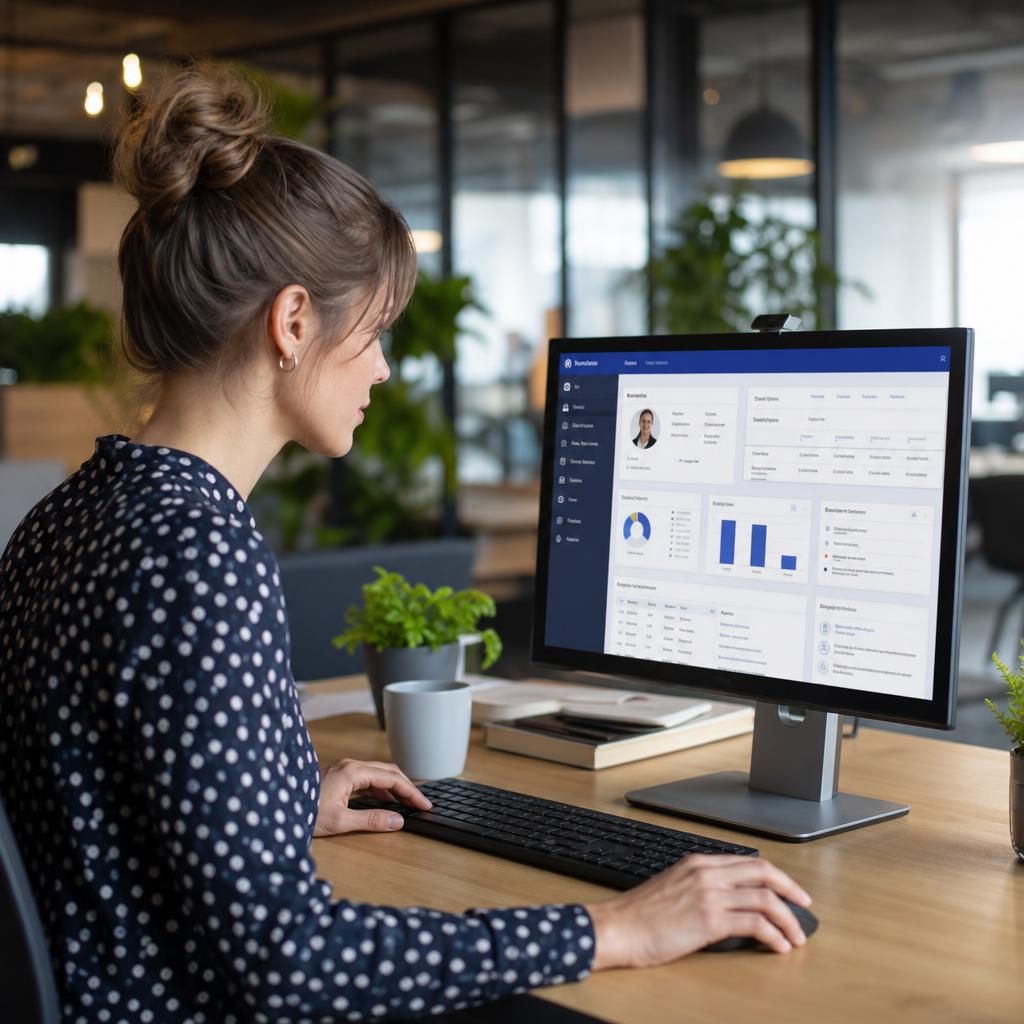
Empower Employees
Allow employees to update personal information, track leave, and access payroll services, reducing dependency on the HR department.
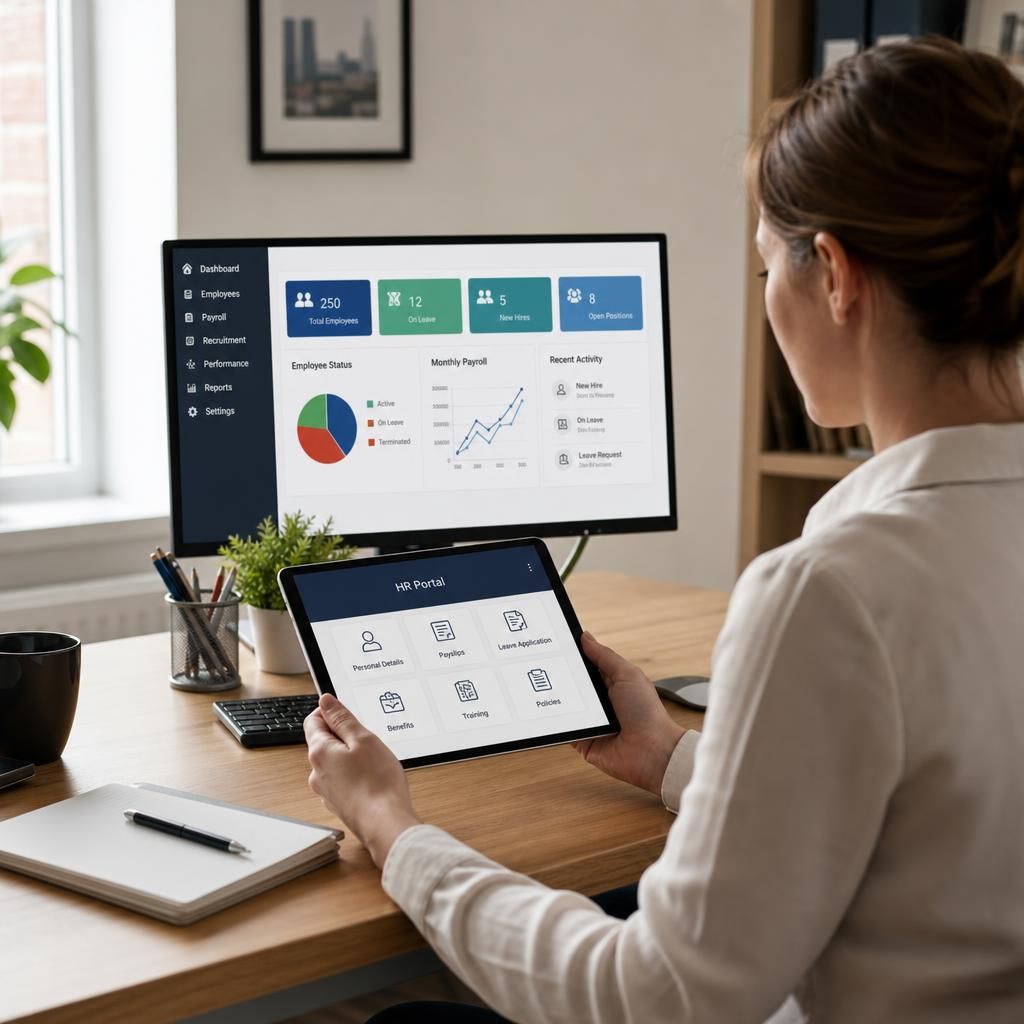
Robust Data Security
Ensure sensitive employee data is protected with advanced encryption and compliance with GDPR and other regulations.
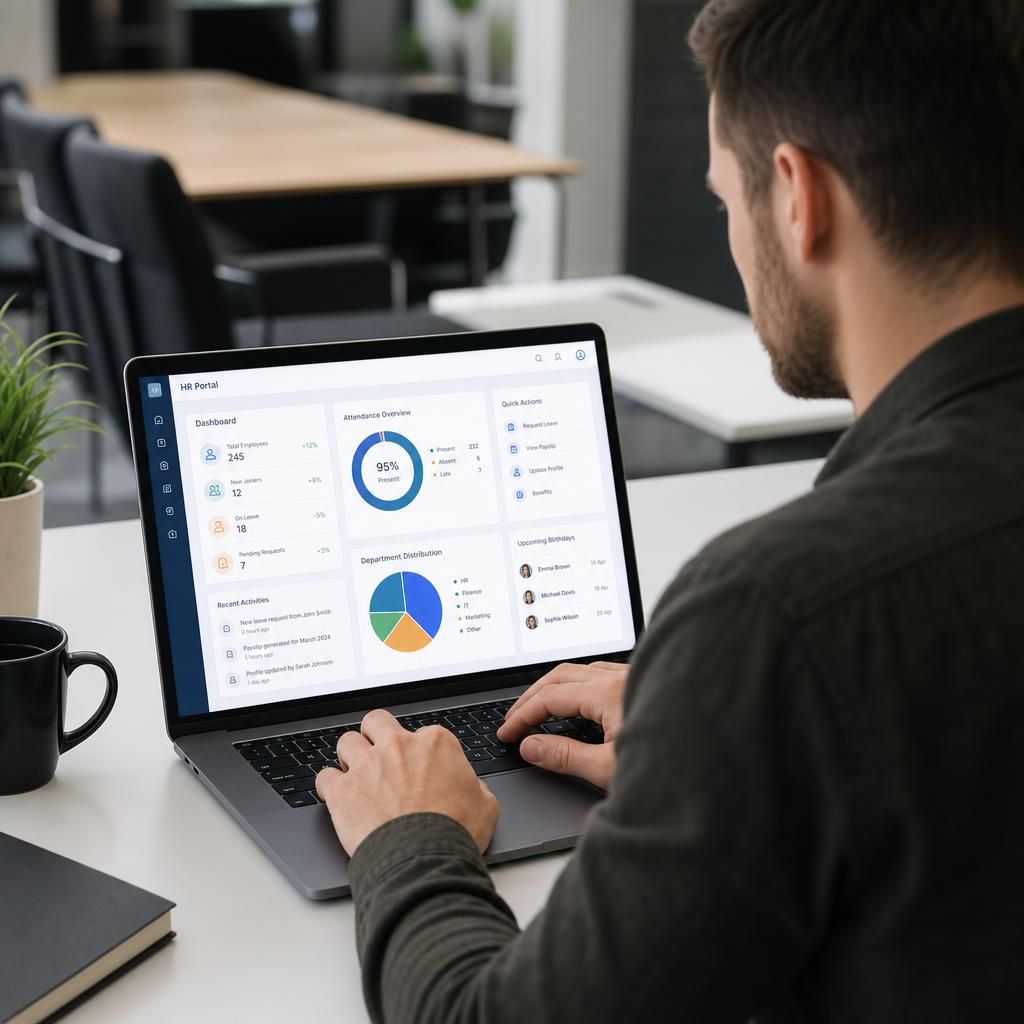
Seamless Integration
Easily integrate HR platforms with existing enterprise systems for a cohesive workflow and data consistency across all departments.
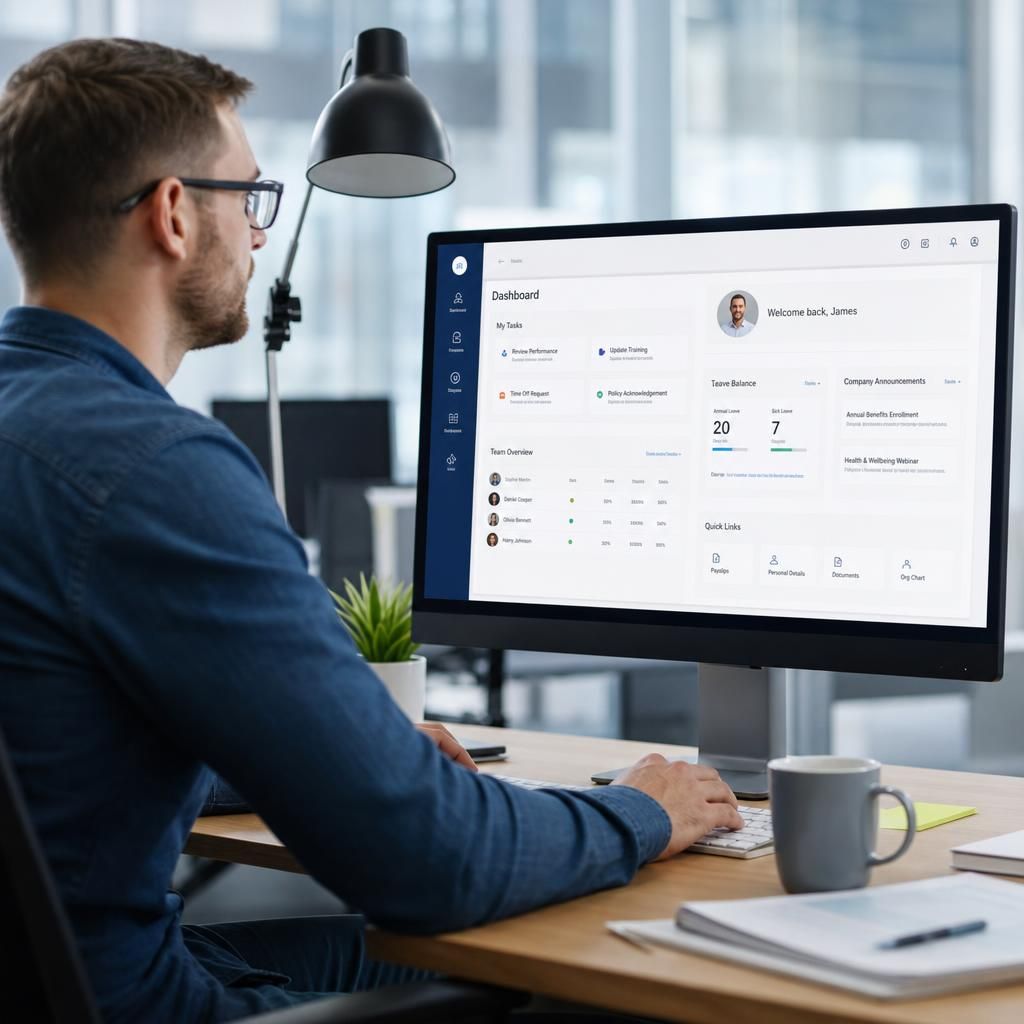
Real-Time Reporting
Access instant data analytics and reports to make informed decisions and track HR metrics effectively.
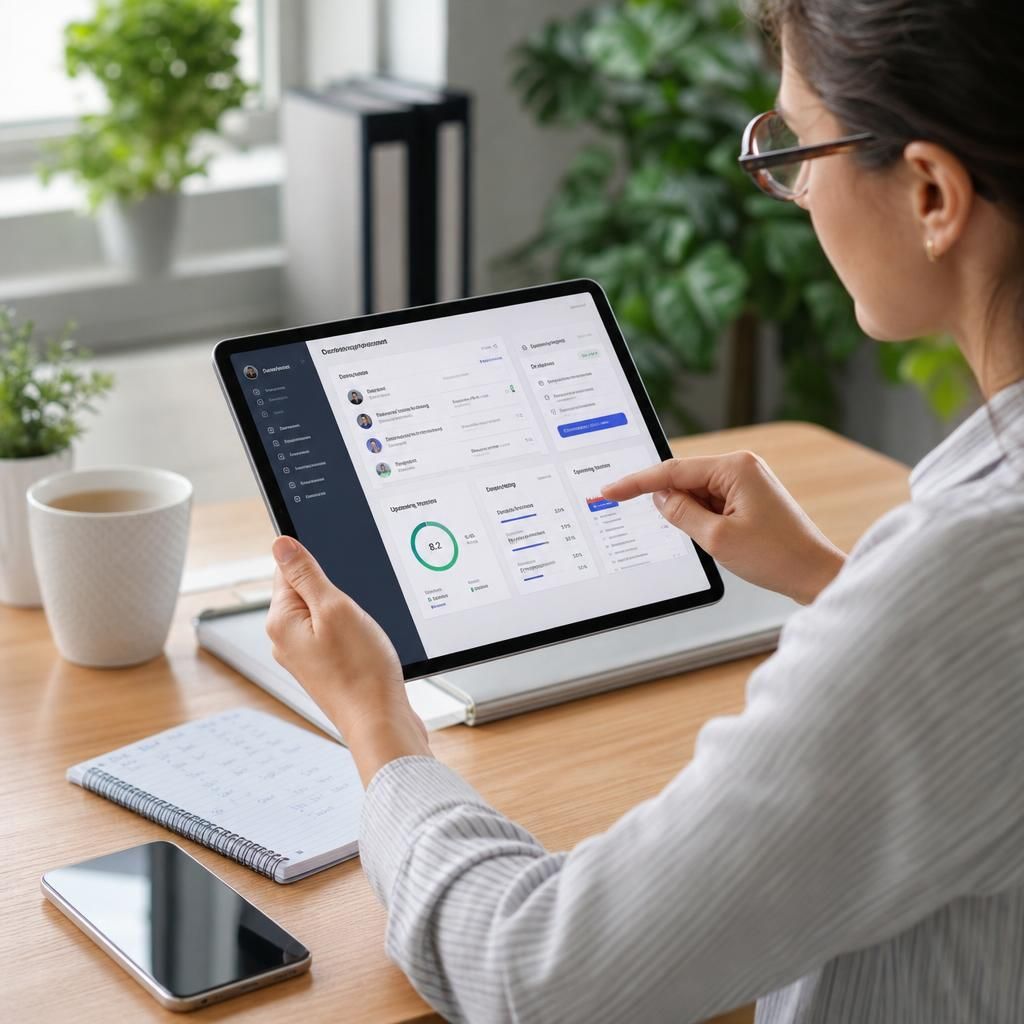
Scalable Solutions
Choose systems that grow with your organisation to ensure longevity and adapt to increasing demands without compromising functionality.
Expert Insights on HR Platforms and Self-Serve Portals
HR platforms and self-serve portals are advanced digital solutions designed to enhance the efficiency and effectiveness of human resource management. These systems empower employees to independently manage HR-related activities, such as updating personal information, accessing payslips, and applying for leave, thus eliminating the constant need for intervention from HR personnel. This autonomy contributes to streamlining HR processes and elevating employee satisfaction, as staff gain more control over their administrative tasks.
Among the different types of HR platforms available, you will find Human Resource Information Systems (HRIS), which integrate various HR functions into a single interface, and applicant tracking systems that facilitate seamless recruitment processes. Self-serve portals, often featuring user-friendly interfaces, enable a range of functions that support HR tasks, such as onboarding new employees, managing benefits, and tracking compliance training. With diverse options tailored to specific organisational needs, selecting the right platform requires careful consideration of integration capabilities and scalability potential within existing IT infrastructures.
Key considerations when choosing HR platforms and self-serve portals include ensuring strong data security measures, especially when handling sensitive employee information, and evaluating the ease of use of the interface to facilitate quick adoption by employees. Additionally, organisations should assess how these systems can be incorporated into existing workflows and consider any potential for customisation to better align with unique business objectives. By focusing on these critical factors, businesses can leverage HR platforms and self-serve portals to drive business transformation and operational excellence.

Harness the Power of Intelligent HR Solutions
HR platforms and self-serve portals are essential tools that empower employees to manage their human resource tasks independently. By providing a digital interface for tasks such as updating contact details, accessing payslips, and tracking leave, these platforms streamline HR processes and reduce the administrative burden on HR departments. This autonomy not only enhances efficiency but also boosts employee satisfaction.
Among the common types of HR solutions available are Human Resource Information Systems (HRIS), which integrate multiple HR functions into a single framework, and applicant tracking systems (ATS) that facilitate recruitment. Choosing the right platform involves assessing integration capabilities with existing IT systems, along with scalability and data security features.
To effectively implement HR platforms and self-serve portals, businesses should focus on user-friendly interfaces that encourage employee adoption and align with business infrastructure. Robust data security measures are crucial, especially when handling sensitive information. By understanding these considerations, organisations can make informed decisions, leveraging these platforms to enhance operational excellence and drive growth.
Step-by-Step Process for Implementing HR Platforms & Self-Serve Portals
Implementing HR platforms and self-serve portals involves thorough planning and a structured approach. By understanding the integration process and ensuring user-friendly features, businesses can effectively streamline HR tasks, enhancing efficiency and employee satisfaction.
Initial Consultation and Needs Assessment
Begin the HR platform implementation process with a comprehensive consultation to identify your organisation's specific HR needs. This stage involves engaging with various stakeholders to understand their expectations and challenges, ensuring the platform aligns with your business goals.
Selecting the Right Platform
Choose an HR platform that fits your organisational requirements by evaluating factors such as integration capabilities, scalability, and user interface simplicity. Ensure the platform offers robust data security to protect sensitive employee information.
Customisation and Integration
Customise the chosen platform to meet your specific business needs and ensure seamless integration with existing IT systems. This includes configuring workflows and setting up user roles to enhance operational efficiency.
User Training and Adoption
Conduct comprehensive training sessions for employees to familiarise them with the new system. User-friendly interfaces can facilitate quick adoption, enabling employees to independently manage HR tasks effectively.
Testing and Quality Assurance
Before full-scale deployment, perform rigorous testing to ensure the platform functions as intended and integrates smoothly with other systems. Address any potential issues to minimise disruptions.
Launch and Implementation
Roll out the HR platform in phases to ensure a smooth transition. Provide ongoing support and resources to assist employees in acclimating to the new system and to optimise utilisation.
Feedback and Continuous Improvement
Gather feedback from users to identify areas for enhancement and ensure the platform continues to meet evolving HR needs. Regular updates and improvements can maintain system effectiveness and user satisfaction.
Understanding HR Platforms & Self-Serve Portals for Efficient Workforce Management
HR platforms and self-serve portals are integral tools in modern human resource management, offering digital solutions for streamlining administrative tasks. These systems allow employees to handle routine HR activities such as updating personal information and accessing payslips independently, reducing the need for constant HR involvement. This approach not only improves operational efficiency but also enhances employee satisfaction by empowering them with greater control over their own HR processes.
Common types of HR platforms include Human Resource Information Systems (HRIS), which consolidate various HR functions into a single system, and applicant tracking systems (ATS) that optimise recruitment workflows. Self-serve portals typically feature intuitive interfaces, facilitating easy navigation for employees managing tasks such as leave applications, benefits management, and compliance tracking.
When choosing HR platforms and self-serve portals, organisations should prioritise data security and seamless integration with existing IT systems. Scalability is crucial to accommodate growth, while user-friendly designs ensure quick adoption by the workforce. By focusing on these critical aspects, businesses can select solutions that drive operational excellence and contribute to sustainable growth.
Frequently Asked Questions about HR Platforms and Self-Serve Portals
What features should an ideal HR platform include to effectively support self-serve portals?
HR platforms are digital systems designed to streamline human resources processes by automating tasks like payroll, benefits management, and employee data handling, enhancing efficiency and reducing administrative burden.
How can HR platforms and self-serve portals improve employee onboarding processes?
HR platforms and self-serve portals facilitate smoother employee onboarding by automating administrative tasks and providing new hires with easy access to essential information and resources, thus enhancing the onboarding experience.
What role does data security play in the implementation of HR platforms and self-serve portals?
Data security is critical in HR platforms, safeguarding sensitive employee information. Ensuring robust encryption, access controls, and compliance with data protection regulations are essential for maintaining privacy and trust in these systems.
How do HR platforms and self-serve portals enhance employee engagement and retention?
HR platforms and self-serve portals increase employee engagement by empowering employees with direct access to HR resources, enhancing communication, and facilitating feedback, thereby fostering a collaborative workplace environment.
What are the integration capabilities of HR platforms and self-serve portals with existing business systems?
HR platforms and self-serve portals integrate by using APIs, enabling seamless data exchange with existing software systems. This ensures cohesive workflows, reduces data duplication, and enhances operational efficiency.
Frequently Asked Questions About HR Platforms & Self-Serve Portals
What are the key benefits of implementing a self-serve HR portal for employee management?
HR platforms facilitate efficient workforce management by automating administrative tasks, ensuring data protection, and enhancing scalability for growth, while self-serve portals empower employees with control over HR processes.
How do HR platforms ensure data security and privacy for our organisation and employees?
HR platforms employ advanced encryption, regular audits, and access controls to safeguard sensitive data, ensuring both organisational and employee information remains protected and compliant with data protection regulations.
How can integrating HR platforms and self-serve portals improve employee engagement and productivity?
Integrating HR platforms and self-serve portals streamline tasks, foster efficient communication, and provide accessible resources, leading to empowered employees who are more engaged and productive in their roles.
What factors should our organisation consider when selecting an HR platform or self-serve portal that best fits our specific needs?
Evaluate integration capabilities, scalability, user-friendliness, and security features, ensuring alignment with organisational objectives and employee needs to maximise benefits from HR platforms and self-serve portals.
What support services and training options does Essential Marketer offer for the implementation and ongoing use of HR platforms and self-serve portals?
Essential Marketer provides comprehensive training sessions and ongoing support for seamless HR platform implementation, ensuring users gain confidence while maximising the system’s functionality and aligning with organisational goals.