ERP for Manufacturing & Supply
ERP for Manufacturing & Supply streamlines business processes by integrating various functions like production, inventory, and procurement into a unified system. This coordination enhances efficiency, reduces costs, and supports informed decision-making, essential for operational growth and risk management in complex supply chains.
Visualising Success: The Benefits of ERP in Manufacturing & Supply
ERP for Manufacturing & Supply refers to Enterprise Resource Planning systems specifically tailored to streamline and enhance operations in the manufacturing and supply chain sectors. These systems unify various business functions such as production planning, inventory management, procurement, and supply chain processes into an integrated framework. By doing so, they enable manufacturers to improve efficiency, reduce operational costs, and drive informed decision-making through comprehensive data analysis and real-time information access. This integration is pivotal for managing complex supply chains, optimising production workflows, and mitigating risks associated with supply disruptions.
Key considerations when implementing ERP systems in manufacturing and supply include the compatibility of the ERP software with existing operations, scalability to accommodate business growth, and customisation options to address specific industry needs. Additionally, selecting a system that supports MRP (Material Requirements Planning) and MES (Manufacturing Execution System) functionalities is critical for synchronising production activities with supply chain logistics. Businesses should also assess the ERP’s user interface and ease of integration with existing systems to ensure minimal disruption during deployment and maximise adoption across operational teams.

Seamless Integration
ERP systems unify disparate business functions into a single, streamlined platform, allowing for efficient data flow and reducing the complexities associated with managing separate systems.
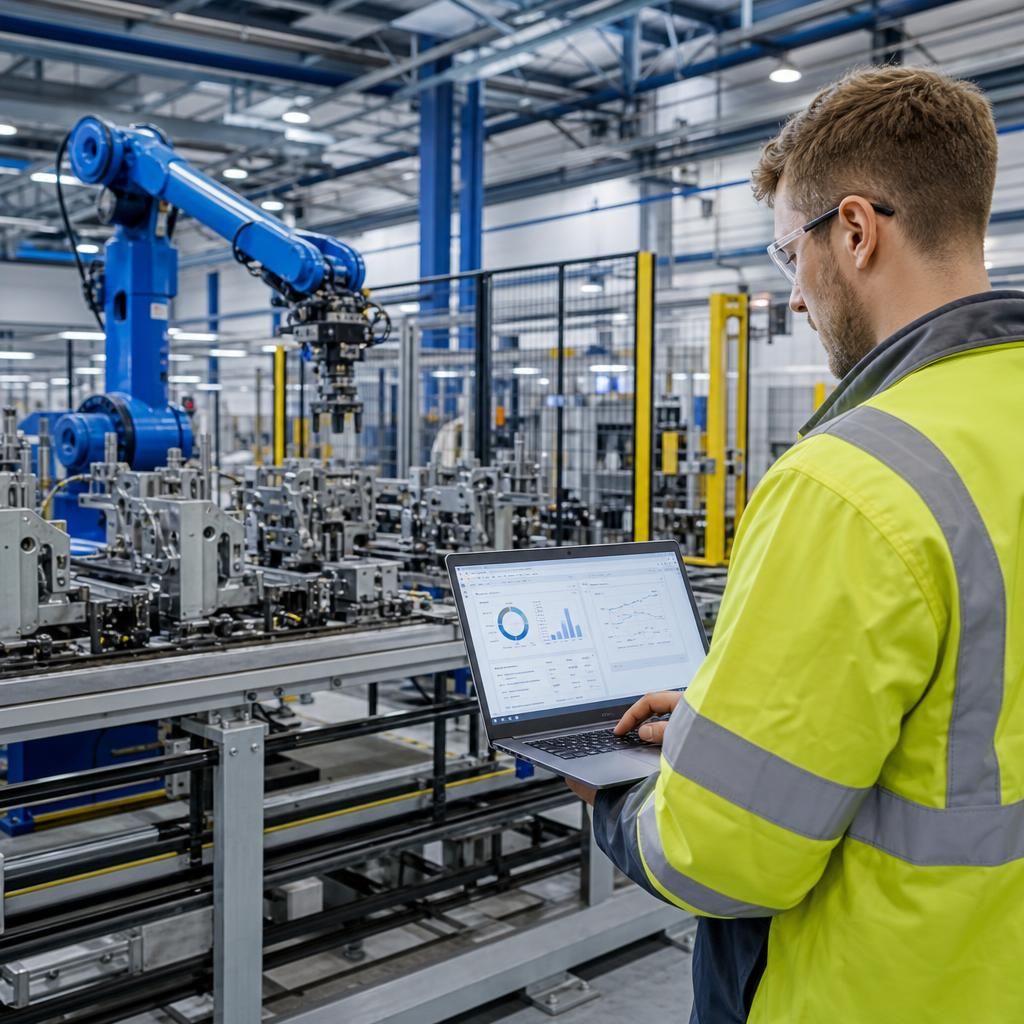
Optimised Inventory Control
Utilising ERP software enhances inventory accuracy and reduces waste by providing real-time tracking and precise forecasting capabilities.

Real-Time Data Access
ERP solutions offer instant access to business metrics and analytics, enabling informed decision-making and strategic planning in fast-paced environments.

Improved Supply Chain Collaboration
Enhanced communication and collaboration across all departments ensure that supply chain interruptions are minimised with efficient resource allocation.
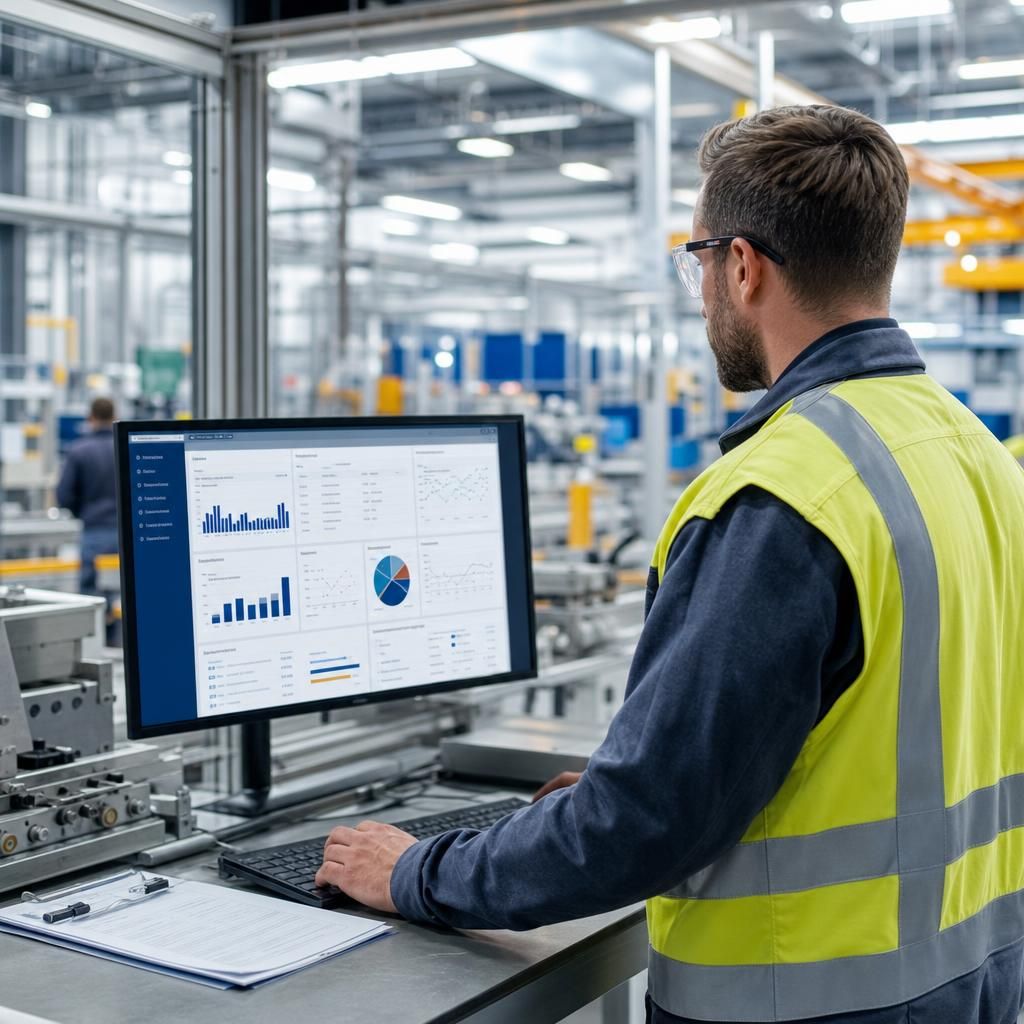
Tailored Solutions
ERP systems offer adaptability with customisable modules that fit specific industry needs, enhancing flexibility and user satisfaction.
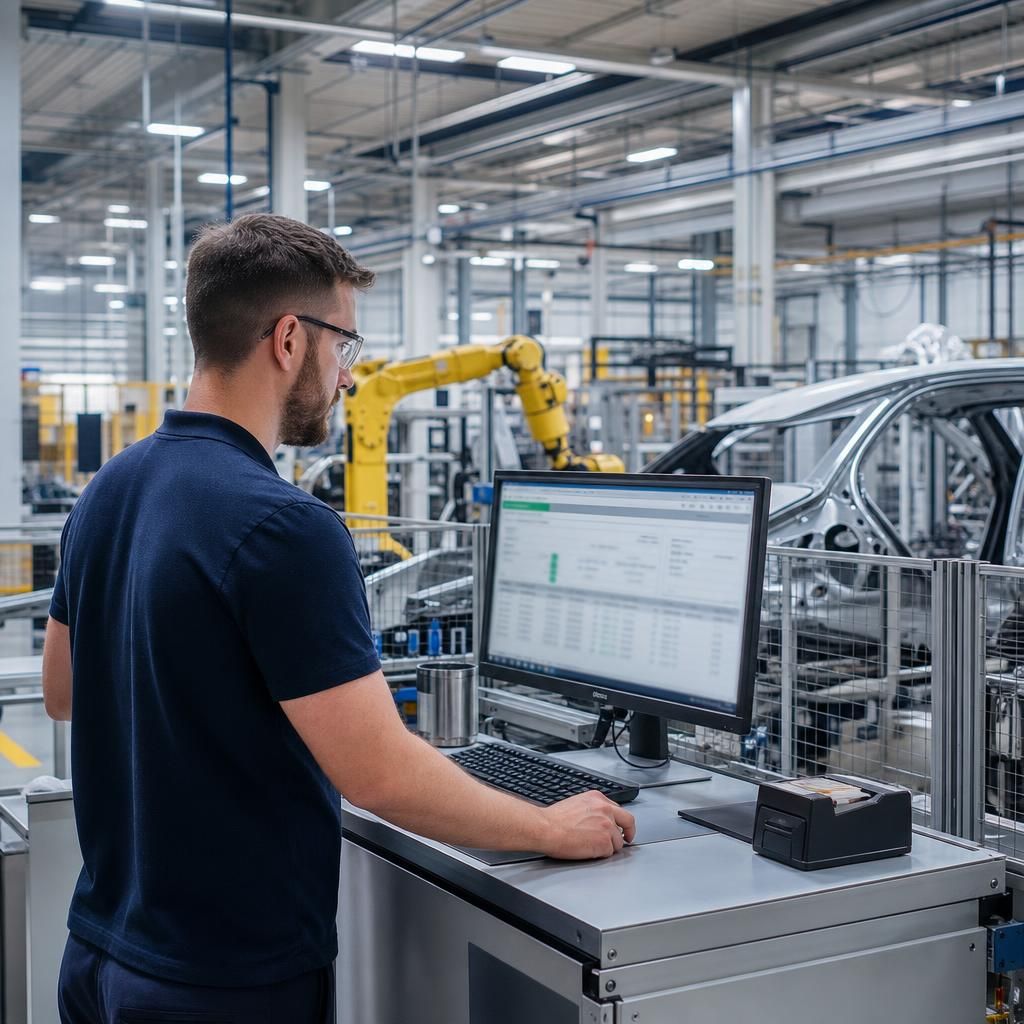
Cost Reduction
By streamlining operational workflows and reducing redundancies, ERP systems help in significantly lowering operating expenses, thus impacting the overall profitability positively.
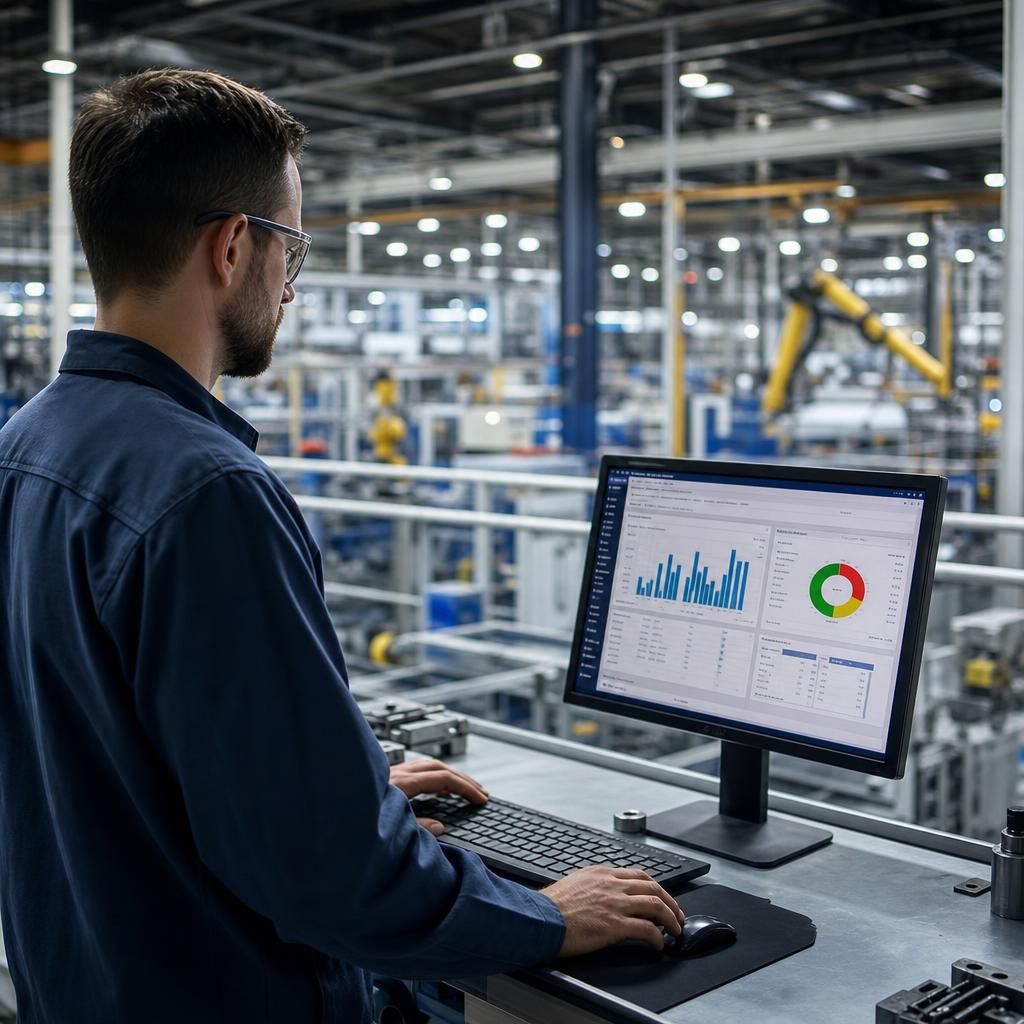
Enhanced Risk Management
ERP tools identify potential risks and enable businesses to implement proactive strategies to mitigate issues before they impact operations.

Scalability for Growth
ERP solutions are designed to evolve with business needs, offering the scalability required to support business expansion without disruptive system overhauls.
Mastering ERP Systems for Manufacturing and Supply Chain Efficiency
ERP, or Enterprise Resource Planning, for Manufacturing & Supply is a robust system designed to integrate and optimise the diverse operations within manufacturing and supply chains. This system consolidates functions such as production planning, material procurement, inventory management, and supply chain logistics into a single comprehensive platform. The primary goal of this integration is to enhance operational efficiency, reduce costs, and facilitate informed decision-making through real-time data access and analysis. By uniting various business processes, ERP systems allow manufacturers to manage complexities in production workflows and supply chain logistics effectively.
A key benefit of using ERP systems in manufacturing and supply sectors is the ability to streamline production activities by coordinating Material Requirements Planning (MRP) and Manufacturing Execution Systems (MES). MRP focuses on ensuring that materials and products are available for production and delivery by maintaining the lowest possible inventory levels, while MES manages and monitors work in progress on the factory floor. Together, these functionalities ensure that the production processes are aligned with supply chain operations, leading to increased productivity and reduced risk of bottlenecks or supply chain disruptions.
When implementing an ERP system for manufacturing and supply, businesses should consider several critical factors. These include the software’s compatibility with existing systems, its scalability for future growth, and the degree of customisation it offers to meet specific industry needs. Additionally, the ERP’s user interface should be intuitive to minimise disruptions during deployment and facilitate adoption by end-users. By carefully evaluating these aspects, organisations can ensure a smooth transition and maximise the benefits of their ERP investment, ultimately leading to improved operational efficiency and profitability.
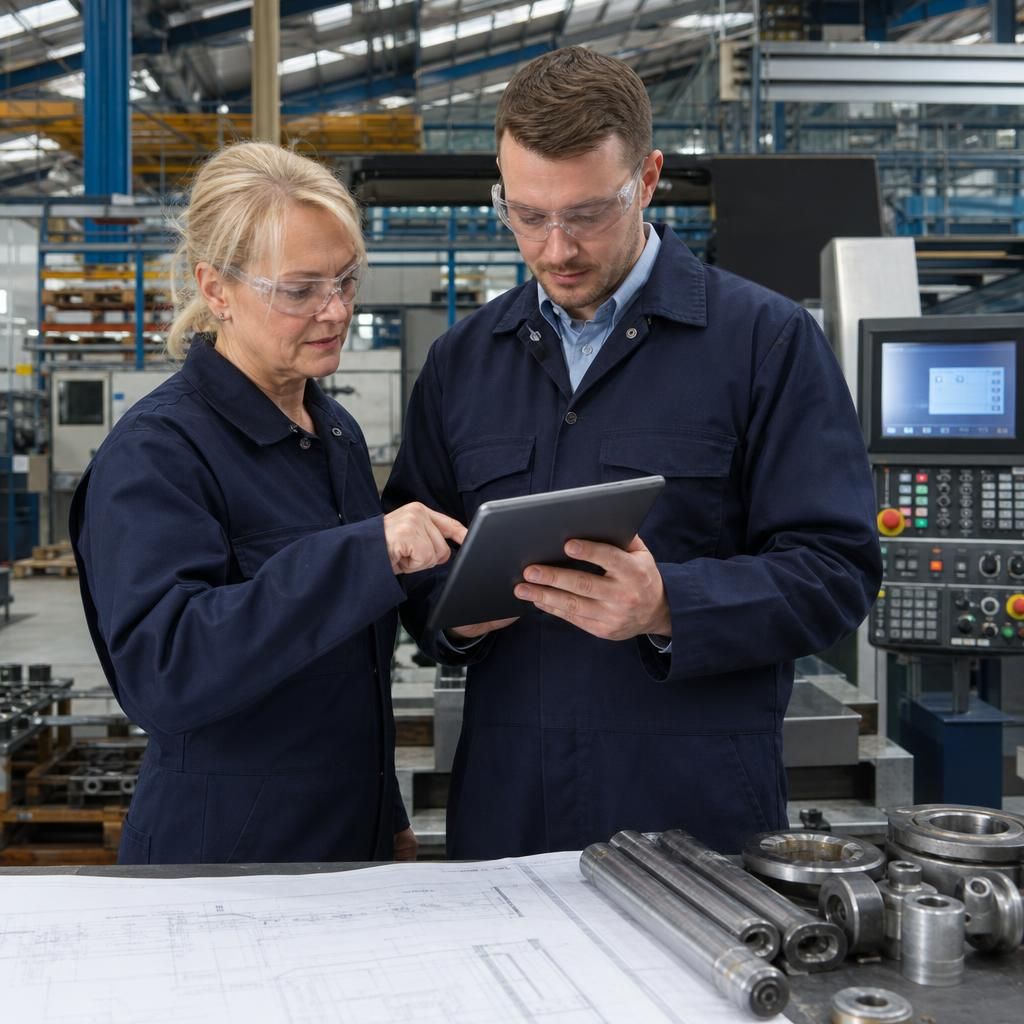
Synchronising Manufacturing and Supply Chains for Optimal Efficiency
ERP for Manufacturing & Supply is a modular software platform that integrates various business processes, including production planning, inventory control, procurement, and supply chain management. It offers a unified solution designed to streamline operations, improve efficiency, and reduce costs by providing real-time data analysis and visibility into all aspects of the manufacturing process.
The system enables businesses to align their production activities with supply chain logistics through key functionalities such as Material Requirements Planning (MRP) and Manufacturing Execution Systems (MES). MRP ensures the availability of materials with minimal inventory levels, while MES monitors real-time work progress on the factory floor, ensuring operational efficiency and reduced risk of production delays.
Key considerations when selecting an ERP system include its compatibility with existing infrastructure, scalability for future business growth, and customisation options to address industry-specific needs. Additionally, an intuitive user interface and seamless integration capabilities are essential to ease deployment, encouraging user adoption and maximising the system’s potential benefits.
A Step-by-Step Guide to Implementing ERP for Manufacturing and Supply
Implementing ERP for Manufacturing & Supply entails a structured process to integrate critical business functions like production planning, inventory management, and supply chain operations. This journey typically involves stages such as needs assessment, system customisation, data migration, user training, and continuous optimisation to ensure seamless alignment with business objectives.
1. Needs Assessment and Planning
Begin the ERP implementation by thoroughly assessing your business needs. Identify key areas for improvement within your manufacturing and supply processes where an ERP system can add value. Conduct stakeholder meetings to gather requirements and align on objectives, ensuring the selected ERP system supports your operational goals and enhances efficiency.
2. Selecting the Right ERP System
Choose an ERP system that meets the specific requirements of your manufacturing and supply operations. Consider factors such as system scalability, customisation options, integration capabilities with existing infrastructure, and user-friendliness. Evaluate vendors based on industry expertise and post-implementation support to ensure long-term success.
3. Customisation and Configuration
Once you select the ERP system, configure it to align with your organisational needs. Customisation should reflect your production workflows and supply chain processes while maintaining compatibility with other business systems. This step ensures the ERP system is tailored to address your unique operational challenges effectively.
4. Data Migration and Management
Plan and execute the migration of existing data into the new ERP system carefully. This involves data cleansing, validation, and loading critical business information such as inventory levels, production schedules, and supplier data. Proper data management during this phase is critical to maintaining data integrity and supporting informed decision-making.
5. Training and User Adoption
Train your staff comprehensively on the new ERP system to promote user adoption across all departments. Tailored training programmes help employees understand how to use the system efficiently, ensuring minimal disruption to operations. Encouraging feedback from users can further streamline the training process and enhance system utilisation.
6. Testing and Go-Live
Before full deployment, conduct rigorous testing of the ERP system to identify and resolve any potential issues. Simulate real-world scenarios to verify system functionality and responsiveness. Once testing is successful, proceed with the go-live phase, gradually transitioning from legacy systems to minimise risks and ensure a smooth operational shift.
7. Continuous Improvement and Support
Post-implementation, focus on continuous improvement by monitoring system performance and user feedback. Regular updates and system refinements can help accommodate evolving business needs. Establish dedicated support teams to address any technical challenges promptly, sustaining operational efficiency and maximising your ERP investment's benefits.

Integrating Manufacturing and Supply Chain Operations with ERP
ERP for Manufacturing & Supply refers to Enterprise Resource Planning systems that focus on streamlining manufacturing processes and supply chain management. These systems integrate various business functions such as production planning, inventory management, and procurement into a cohesive platform, facilitating efficient operations and consistent data flow across departments.
By coordinating Material Requirements Planning (MRP) and Manufacturing Execution Systems (MES), these ERP solutions ensure that all necessary materials are available while keeping inventory levels low, enhancing production efficiency. MES further monitors the factory floor activities in real time, allowing for immediate adjustments and reducing the risk of production delays.
When selecting an ERP system for manufacturing, considerations include its compatibility with current infrastructure, scalability to accommodate future growth, and the level of customisation available to meet industry-specific needs. An intuitive user interface is also crucial for smooth adoption and effective utilisation by staff.
Common Questions About ERP for Manufacturing & Supply
What are the essential features to look for in an ERP system for manufacturing and supply?
ERP systems centralise manufacturing operations, enhancing efficiency by synchronising functions such as production planning and inventory management. They improve data accessibility, enabling informed decision-making and optimised resource allocation.
How does integration with existing software systems enhance the functionality of an ERP for manufacturing?
Integrating ERP with existing software enhances operational efficiency by ensuring seamless data flow, reducing redundancy, and enabling holistic management of business processes, thus supporting effective decision-making and strategic planning.
What are the benefits of using ERP systems for supply chain risk management?
ERP systems enhance supply chain risk management by providing real-time data and analytics to identify potential disruptions, improve resilience, and ensure continuity of operations through effective risk mitigation strategies.
What considerations should be made when choosing between on-premise and cloud-based ERP solutions for manufacturing?
Cloud-based ERP solutions offer scalability, remote access, and easier updates, while on-premise systems provide more control over data and customisation. Consider company size, resources, security needs, and IT infrastructure compatibility.
How do ERP systems facilitate compliance with industry regulations in manufacturing and supply chains?
ERP systems enhance compliance by automating reporting and documentation, ensuring adherence to industry standards, and facilitating audits through integrated tracking and traceability of processes within manufacturing and supply chains.
Proven ERP Expertise for Manufacturing and Supply Success
Our expertise in manufacturing ERP systems ensures streamlined operations and measurable results. With our proven track record in developing bespoke solutions, Essential Marketer delivers operational excellence by integrating core business functions seamlessly. Trust us for ERP growth success.
Final Considerations for Choosing ERP in Manufacturing & Supply
What key features should a manufacturing ERP system include to enhance operational efficiency and support growth?
ERP systems streamline manufacturing processes by integrating production planning, procurement, and inventory management into one platform. These solutions enhance operational efficiency, reduce costs, and support data-driven decision-making.
What are the essential considerations when customising an ERP system for a manufacturing environment?
Customising an ERP system requires aligning functionalities with specific business processes, ensuring seamless integration, scalable architecture, and user-friendly interfaces to meet evolving industrial demands efficiently.
How does implementing an ERP system impact supply chain risk management in manufacturing?
Implementing an ERP system strengthens supply chain risk management by providing real-time data visibility, enabling proactive issue detection, and facilitating swift corrective actions to mitigate potential disruptions and improve resilience.
What factors should be considered when evaluating the scalability and flexibility of an ERP system for future manufacturing needs?
Evaluate ERP scalability by assessing system architecture, integration capabilities with existing tools, and adaptability to future technologies to ensure it accommodates business growth and evolving manufacturing needs efficiently.
What are the critical steps involved in successfully migrating existing manufacturing data to a new ERP system?
Begin by assessing data quality and compatibility, followed by thorough data cleaning and mapping to align with the new ERP system. Conduct trial migrations and validate data accuracy before final implementation.
Get Started with Tailored ERP Solutions Today
Contact us now to request a tailored ERP consultation. Our team of experts will guide you through integrating bespoke solutions to enhance your manufacturing and supply chain operations efficiently. Maximise productivity with our expert-driven ERP strategies.