Ranking Success
Achieving high SEO rankings in the UK requires a deep understanding of various key factors that search engines consider when evaluating websites. From on-page elements like keyword optimization and site structure to off-page signals such as backlinks and user experience, each component plays a crucial role in driving organic traffic and improving visibility.
In this guide, we’ll explore the most influential SEO ranking factors that can help your website stand out in competitive search results. Implementing these strategies effectively will set a strong foundation for long-term ranking success and growth.
Top 5 Essential Insights on SEO Ranking Factors
Understanding key SEO ranking factors is crucial for enhancing your website’s visibility in search engines. This section highlights the most impactful elements that influence your Google rankings, helping you prioritise your SEO efforts effectively.
Quality Content
High-quality, relevant content attracts users and encourages engagement, which search engines reward with better rankings and increased organic traffic.
Mobile Optimization
With most users browsing on mobile devices, ensuring your site is fully responsive improves rankings and accessibility across all screen sizes.
Page Speed
Fast-loading pages reduce bounce rates and keep users satisfied, signaling to Google that your site offers a positive experience.
Backlinks
Earning backlinks from reputable sites builds your website's authority and trustworthiness, which significantly boosts SEO performance.
User Experience
A seamless, intuitive user experience encourages visitors to stay longer and interact more, positively impacting your search rankings over time.
Getting Started with SEO Ranking Success
Embarking on your SEO journey begins with a clear understanding of your target audience and the keywords they use. Start by performing comprehensive keyword research using tools like Google Keyword Planner or SEMrush.
Next, optimize your website’s on-page elements, including titles, meta descriptions, and headers, to align with these keywords. Consistently create valuable, relevant content that addresses your audience’s needs. Finally, monitor your progress with analytics and adjust your strategy accordingly to improve your rankings over time.

Avoiding Frequent SEO Pitfalls
One common mistake is neglecting mobile optimization. With the majority of users browsing on mobile devices, a site that doesn’t perform well on smartphones and tablets will suffer in rankings. Ensuring your site is responsive and fast on mobile is crucial.
Another frequent error is keyword stuffing. Overusing keywords disrupts content flow and can lead to penalties from search engines. Focus on natural, valuable content that integrates keywords thoughtfully and contextually.
Lastly, ignoring site structure and internal linking can hurt your SEO. A clear hierarchy and proper links help search engines crawl your site efficiently and enhance user experience, which positively influences rankings.
Integrating SEO Ranking Factors into Your Broader Strategy
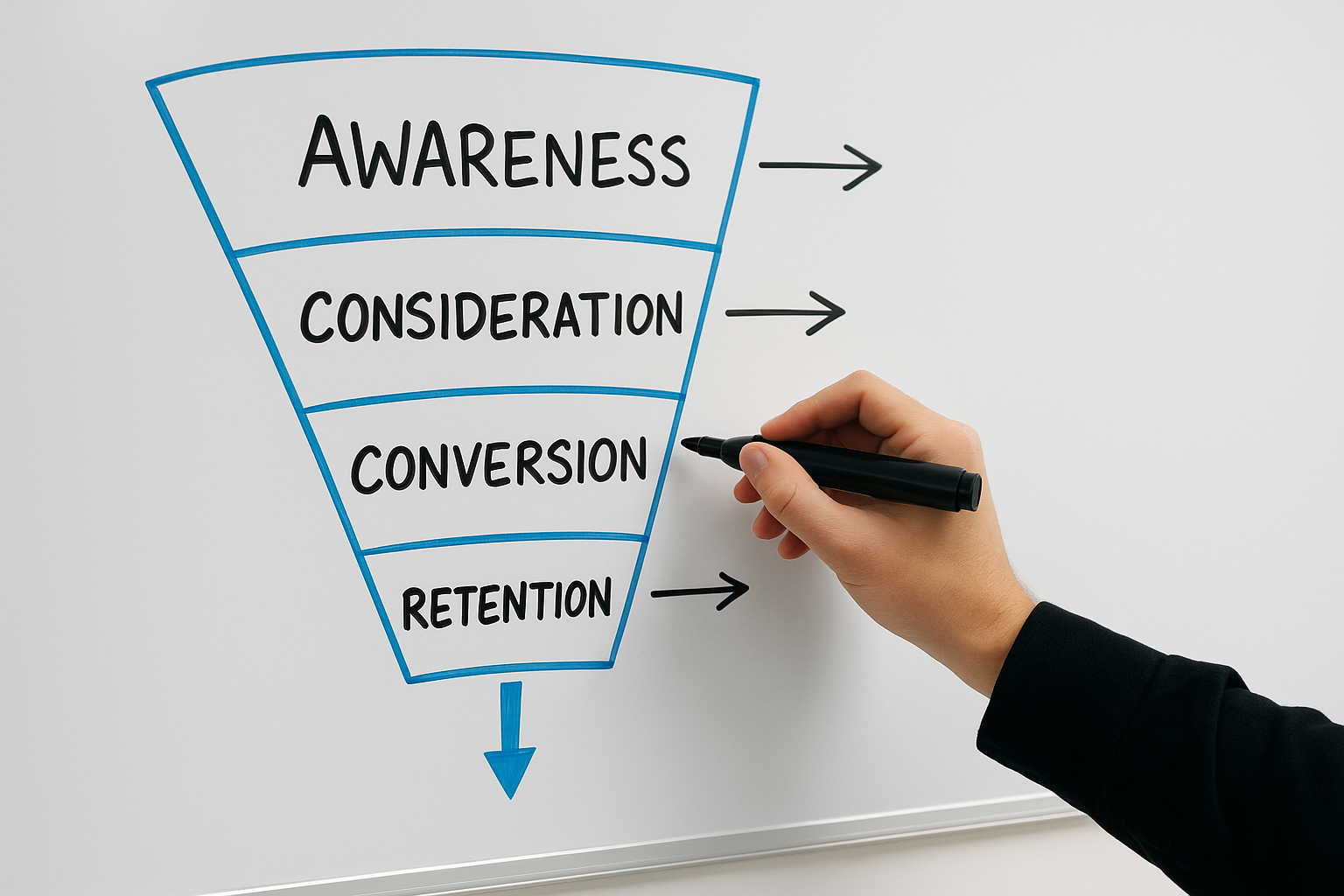
Understanding SEO ranking factors is crucial, but their true value emerges when integrated into a cohesive SEO strategy focused on content quality, technical optimization, and user engagement.

Content Quality
High-quality, relevant content ensures that ranking factors drive meaningful traffic and support sustained user interest and conversions across your site.

Technical Optimization
Proper technical SEO foundations enhance crawlability and site performance, allowing ranking factors to be effectively recognized and rewarded by search engines.
User Engagement
Engaging user experiences promote longer visits and repeat traffic, amplifying the impact of SEO ranking factors within your overall strategy.
Top 5 Questions Commonly Asked About SEO Ranking Factors
What are the most critical factors for SEO rankings?
The most critical factors for SEO rankings include high-quality, relevant content, authoritative backlinks, mobile-friendly design, fast page load speed, secure HTTPS protocol, effective keyword optimization, and excellent user experience. Consistently monitoring and adapting to algorithm updates also ensures sustained search visibility.
How does content quality affect SEO rankings?
Content quality significantly impacts SEO rankings by enhancing user engagement, reducing bounce rates, and earning backlinks. High-quality, relevant, and well-structured content improves search engine crawlability and trustworthiness, ultimately boosting a website's visibility and authority in search results.
Can backlinks impact my google SEO ranking?
Yes, backlinks significantly impact Google SEO rankings by signaling site authority and trustworthiness. High-quality, relevant backlinks improve domain credibility, enhance organic traffic, and boost search engine visibility, making them a crucial component of effective digital marketing strategies.
How important is site speed for SEO?
Site speed is crucial for SEO as it directly impacts user experience, bounce rates, and crawl efficiency. Faster-loading websites improve rankings on search engines, enhance engagement, and increase conversions, making site speed a key factor in effective digital marketing strategies.
Does keyword optimisation still matter today?
Yes, keyword optimization remains essential in digital marketing. It helps search engines understand content relevance, improves organic rankings, and attracts targeted traffic. While strategies have evolved to focus on user intent and semantic search, well-researched keywords are still foundational for effective SEO.