

Content Optimization
On-page SEO ensures that your website content is relevant, well-structured, and keyword-targeted to meet both user intent and search engine requirements effectively.

Unlock the full potential of your website with our Expert On-Page SEO Analysis. By carefully evaluating your site’s structure, content, and keywords, we identify key opportunities to improve your search engine rankings and attract more targeted traffic.
Our comprehensive approach ensures every element, from titles to metadata, is optimized to meet the latest SEO standards. Partner with us to maximize your online visibility and drive meaningful growth for your business today.
Free Website AuditOn-page SEO analysis is essential for optimizing individual web pages to rank higher and attract targeted traffic. By examining key elements like content quality and technical structure, businesses can enhance user experience and search engine visibility effectively.
Effective keyword optimization ensures your content matches search intent, helping search engines understand and rank your page for relevant queries.
High-quality content engages visitors, reduces bounce rates, and encourages sharing, which signals value to search engines and boosts rankings.
Well-crafted meta tags, including titles and descriptions, improve click-through rates by providing clear and compelling summaries in search results.
Strategic internal linking strengthens site structure, distributes page authority, and helps users easily navigate related content within your website.
Optimizing page speed enhances user experience and is a ranking factor, reducing load times and keeping visitors engaged longer.
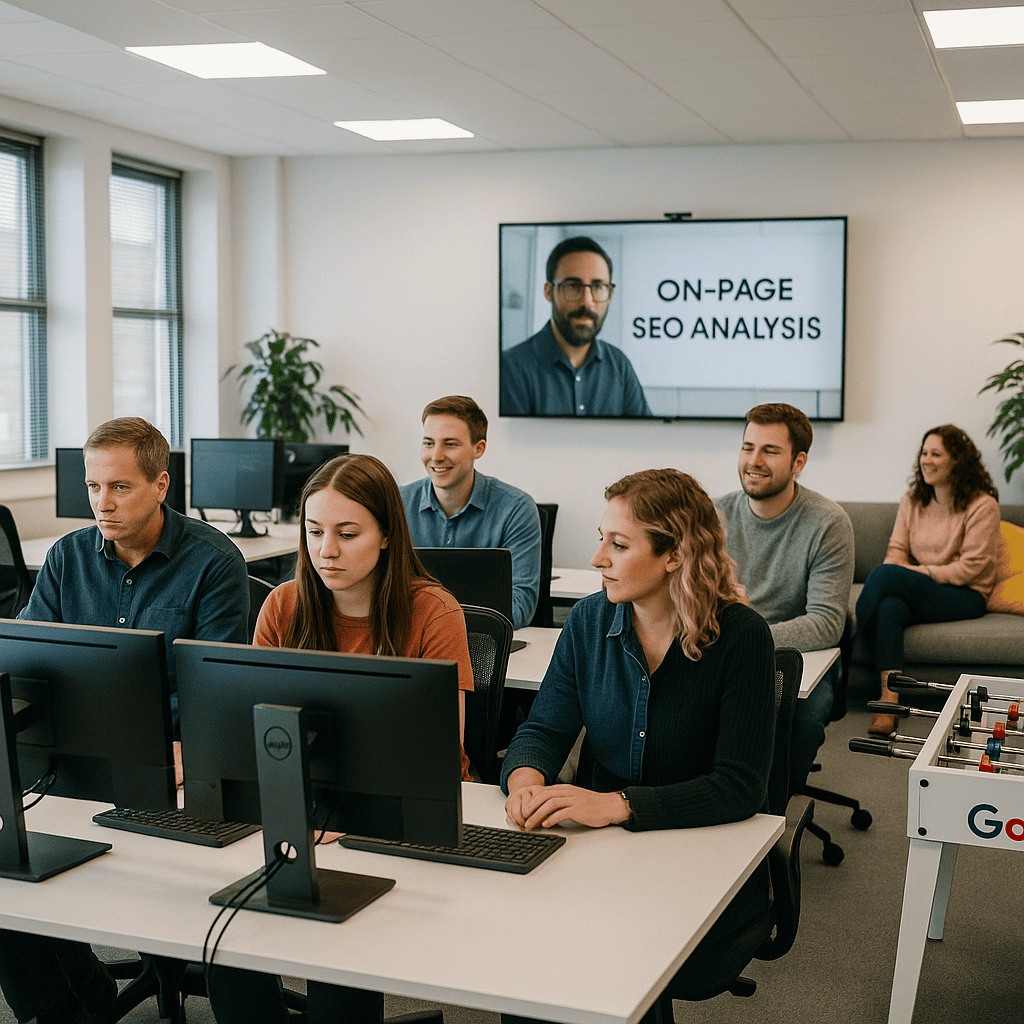
Begin by assessing your current website structure and identifying key pages that need optimization. Research relevant keywords that align with your content and audience intent.
Use tools like Yoast to guide your meta titles and descriptions for better search visibility. Next, analyze your content for keyword integration, page speed, and mobile usability. Finally, implement targeted changes and monitor their impact through analytics, adjusting as necessary to continually enhance your SEO performance.
One common mistake is neglecting keyword optimization. Overstuffing keywords or using irrelevant ones can harm your rankings and reduce content readability. Focus on natural, strategic keyword placement instead.
Another frequent error is ignoring meta tags. Without well-crafted meta titles and descriptions, your page might miss out on valuable click-throughs from search engine results. Ensure they accurately reflect your content and entice users to visit.
Lastly, overlooking page load speed and mobile optimization can negatively impact user experience and search rankings. A slow or non-responsive site frustrates visitors and deters search engines from ranking your pages higher.
Understanding how on-page SEO analysis fits into the broader SEO framework is crucial. Here are three key areas where it directly influences overall online success.
On-page SEO ensures that your website content is relevant, well-structured, and keyword-targeted to meet both user intent and search engine requirements effectively.

It plays a pivotal role in identifying and fixing technical issues like meta tags, page speed, and mobile-friendliness that impact crawlability and user experience.

By improving page elements such as headings and internal linking, on-page SEO boosts user engagement, helping convert visitors into customers and increasing site authority.
Discover how our expert on-page SEO analysis can fine-tune your website to boost rankings, increase traffic, and convert visitors into customers efficiently.
Get Your Free Website Audit