

Origins of PPC Advertising
PPC advertising began in the late 1990s, with early platforms introducing pay-per-click as a revolutionary digital marketing model.

Pay-per-click (PPC) advertising has transformed significantly since its inception, shaping the way businesses engage with digital audiences. From early search engine models to today’s sophisticated platforms like Google Ads, PPC has become a vital tool for driving targeted traffic and measurable results.
Understanding the evolution of PPC in the UK provides valuable insights into its effectiveness and best practices. This overview explores key milestones and innovations, helping you appreciate how strategic PPC campaigns can support your business growth in an increasingly competitive market.
Get Your Google Ads Account Graded for FreeEmbarking on your PPC advertising journey begins with understanding your business goals and target audience. Start by conducting thorough research into relevant keywords that potential customers might use, focusing on terms that align closely with your products or services. This foundational work helps ensure your campaigns are targeted and cost-effective from the outset.
Next, set a realistic budget that reflects your marketing objectives and expected returns. Begin with modest bids to test which ads perform best, adjusting your spend as you gather data. Leveraging platforms like Google Ads provides access to granular control and insightful analytics, allowing you to refine your approach continuously.
Finally, create compelling ad copy and choose appropriate landing pages to maximise engagement and conversions. Regularly monitor your campaign’s performance, making informed adjustments to optimise results. Starting with these practical steps lays a strong foundation for a successful PPC advertising strategy.
PPC advertising began in the late 1990s, with early platforms introducing pay-per-click as a revolutionary digital marketing model.

PPC advertising began in the late 1990s, with early platforms introducing pay-per-click as a revolutionary digital marketing model.

Advanced targeting features have evolved, allowing advertisers to reach audiences based on demographics, behaviour, and interests precisely.
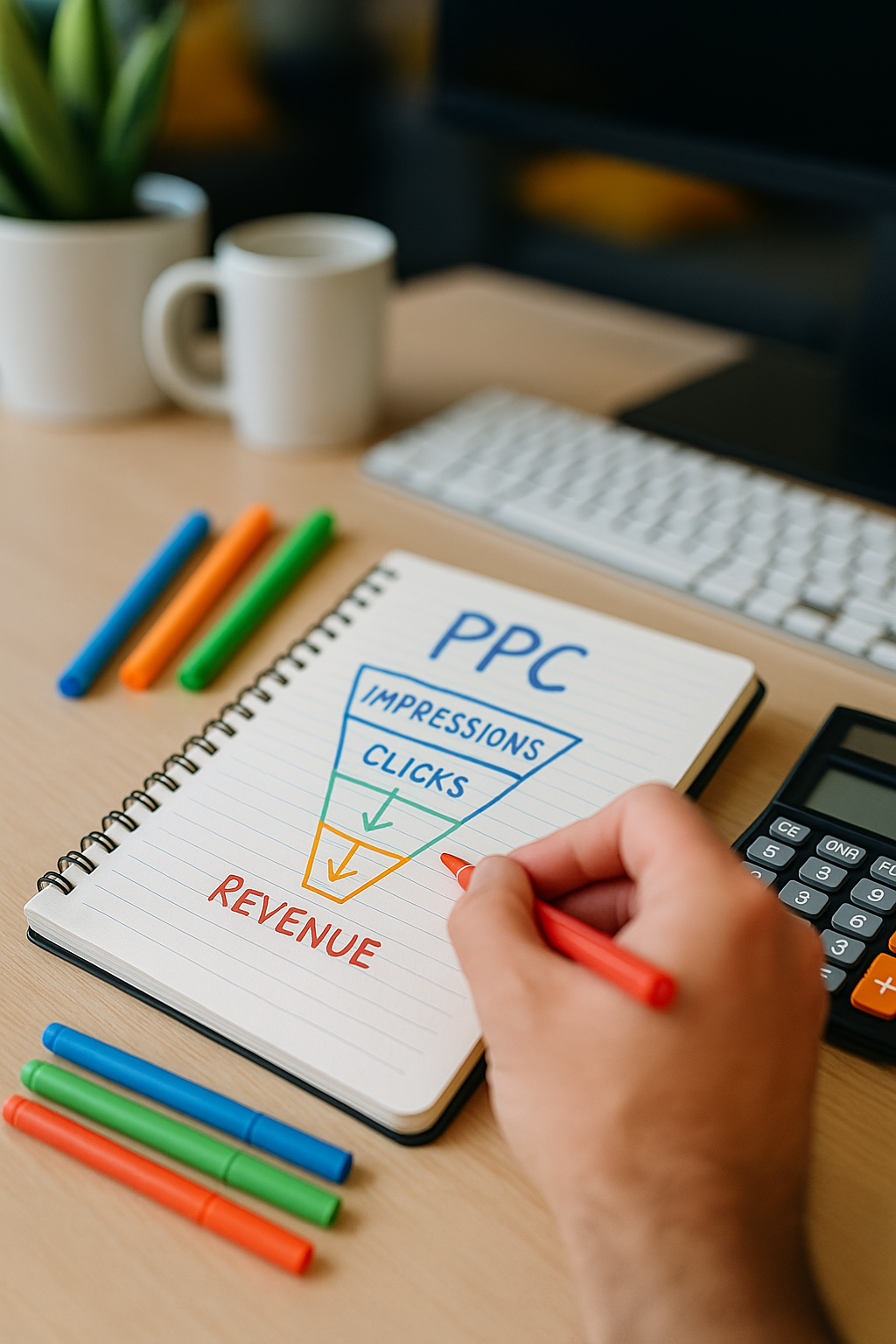
PPC has become vital in the UK, driving measurable results and enabling businesses to compete effectively online.
Understanding the common mistakes in the history of PPC can help you avoid pitfalls and make smarter decisions for your advertising strategy.
Overlooking initial PPC developments can prevent recognising valuable tactics still relevant in today's advertising landscape.
Failing to acknowledge how platforms like Google Ads have changed can lead to outdated and ineffective campaign strategies.
Not adapting to changes in user behaviour over time can reduce the impact and relevance of your PPC efforts.
Concentrating solely on budget without considering quality and targeting can diminish overall campaign performance and ROI.
Disregarding historical data and performance metrics limits the ability to refine campaigns based on proven insights and trends.
Understanding the history of PPC provides valuable insight into how pay-per-click advertising has evolved to become a critical component of digital marketing. By recognising the milestones and changes in platforms like Google Ads, businesses can better appreciate the significance of PPC within their overall marketing mix. This knowledge allows marketers to adapt their strategies in line with current trends and consumer behaviours. Ultimately, incorporating historical perspective helps in developing more informed, targeted campaigns that complement other marketing efforts and maximise return on investment.
Harness the proven power of PPC advertising with our expert guidance, designed to maximise your return and elevate your online presence efficiently and effectively.
Talk to Us About PPC