
Cost per Click (CPC)
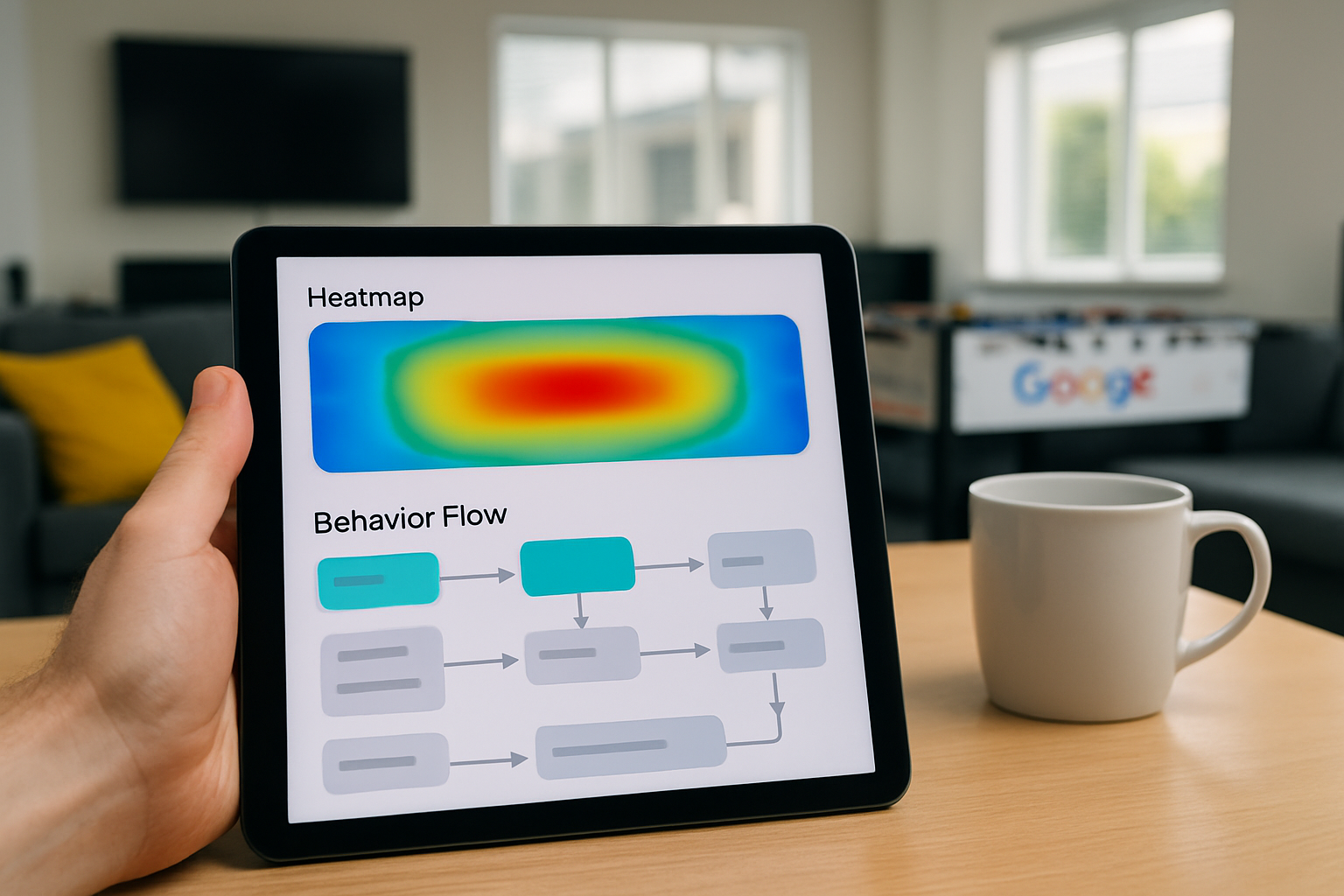
CPC is the amount you pay each time a user clicks your ad, varying by keyword competitiveness and quality score.

Understanding the costs associated with Google Ads is essential for managing effective pay-per-click campaigns. This page offers a clear overview of pricing structures and key factors that influence your advertising budget, enabling you to make informed decisions tailored to your business goals.
By exploring these insights, you’ll gain greater control over your spend while maximising campaign performance. Should you require personalised advice, our experts are ready to help you navigate the complexities of Google Ads costs and ensure your investment delivers real value.
Get Your Google Ads Account Graded for FreeStarting with Google Ads cost and pricing can seem daunting, but a structured approach simplifies the process. First, set clear campaign objectives that align with your business goals. Knowing what you aim to achievewhether increasing brand awareness, driving website traffic, or generating saleshelps determine an appropriate budget.
Next, familiarise yourself with the key pricing models such as cost-per-click (CPC), cost-per-impression (CPM), and cost-per-acquisition (CPA). Understanding these will enable you to choose the model best suited to your campaign goals and expected outcomes.
Finally, consider leveraging Google’s keyword planner and cost estimator tools to gain transparent insights into expected costs for your target audience and keywords. With these initial steps, you can efficiently plan your budget and set realistic expectations for your PPC campaigns.
CPC is the amount you pay each time a user clicks your ad, varying by keyword competitiveness and quality score.

CPC is the amount you pay each time a user clicks your ad, varying by keyword competitiveness and quality score.
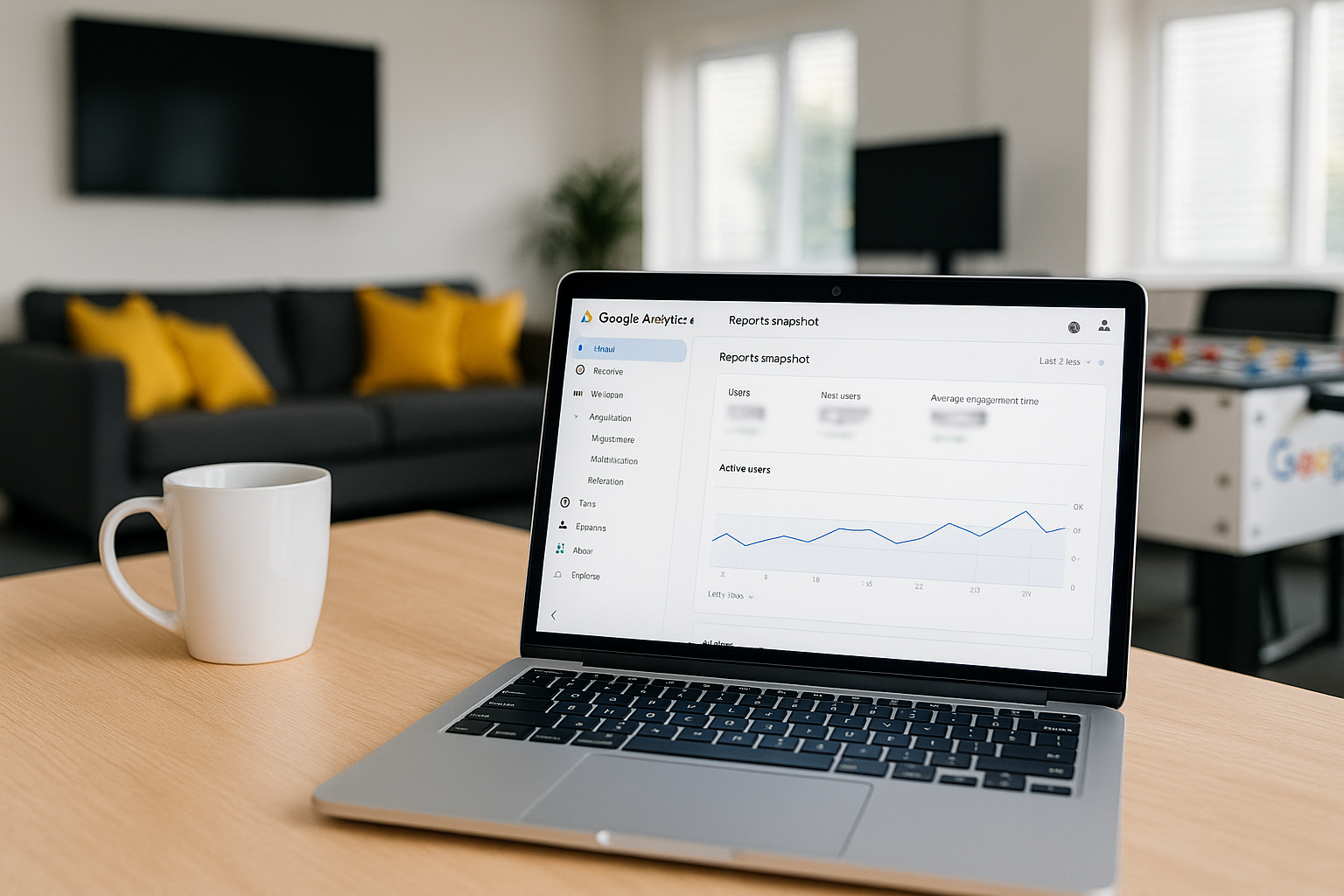
Higher Quality Scores can lower costs by improving ad rank and reducing the cost per click on your campaigns.

Pricing is determined by real-time auctions where your bid and ad relevance decide your ad placement and cost.
Understanding common pitfalls in Google Ads cost management is essential to maximise your PPC budget and campaign effectiveness. Avoid these frequent mistakes to improve your advertising outcomes.
Failing to set clear budget limits can lead to overspending and poor return on investment in your Google Ads campaigns.
Not using bid adjustments ignores opportunities to optimise costs by targeting high-value audiences more effectively and reducing wasted spend.
Bidding on irrelevant keywords wastes budget on clicks that are unlikely to convert or bring valuable traffic to your site.
Ignoring quality scores can increase your costs unnecessarily by reducing ad placement and increasing cost-per-click rates.
Without regular analysis, campaigns continue running inefficiently, missing chances to improve cost-efficiency and overall campaign success.

Understanding Google Ads costs and pricing is a fundamental aspect of a successful PPC strategy. It allows advertisers to allocate budgets effectively, ensuring maximum return on investment. By grasping the nuances of pricing models, businesses can make informed decisions about bidding and campaign optimisation. Furthermore, cost insights help identify areas where spending can be adjusted without compromising results, supporting sustained growth. Integrating cost considerations with strategic planning ultimately drives more efficient and impactful advertising outcomes.
Let our expert team guide you through cost-effective PPC strategies to maximise your returns and elevate your online presence confidently.
Talk to Us About PPC