

Search Advertising
Search advertising allows businesses to display ads in search engine results when users enter relevant queries, targeting intent-driven audiences effectively.

PPC, or Pay-Per-Click advertising, offers a variety of campaign types tailored to meet different marketing objectives. Understanding these options is essential for crafting effective strategies that maximise your return on investment.
From search ads to display and shopping campaigns, each type serves a unique purpose in reaching your target audience. This guide will explore the key PPC campaign formats and show you how to leverage them to elevate your advertising efforts.
Get Your Google Ads Account Graded for FreeEmbarking on your PPC journey begins with clear objectives. Determine what you want to achievewhether it’s increasing brand awareness, driving website traffic, or generating leads. Having defined goals ensures your campaigns are focused and measurable.
Next, research your target audience and select the appropriate PPC campaign types that best suit your business needs. Understanding your customers’ behaviours and preferences allows for more effective ad targeting and budget allocation. It’s also important to set a realistic budget and timeline, enabling you to monitor performance without overspending.
Finally, invest time in creating compelling ad copy and optimising landing pages. Testing different ads and keywords will help uncover the most effective combinations, leading to higher click-through rates and conversions. With consistent evaluation and refinement, your PPC campaigns can evolve into powerful tools for driving business growth.
Search advertising allows businesses to display ads in search engine results when users enter relevant queries, targeting intent-driven audiences effectively.

Search advertising allows businesses to display ads in search engine results when users enter relevant queries, targeting intent-driven audiences effectively.

Remarketing targets users who have previously visited your site, encouraging them to return and complete desired actions or purchases.

Social media PPC leverages paid ads on platforms like Facebook and LinkedIn to reach specific demographics with tailored content and offers.
Understanding common pitfalls in PPC campaigns is crucial to maximise effectiveness and return on investment. Avoid these frequent errors to enhance your advertising success.
Neglecting thorough keyword research can lead to wasted budget on irrelevant or overly competitive terms, reducing campaign performance significantly.
Failing to use negative keywords allows ads to appear for unrelated searches, resulting in poor-quality traffic and diminished ROI.
Allocating insufficient funds limits reach and data collection, while excessive budgets can drain resources without strategic planning.
Not testing various ad copies prevents optimisation, missing opportunities to improve click-through rates and overall campaign success.
Without proper conversion tracking, it is impossible to measure campaign effectiveness or identify areas for improvement accurately.
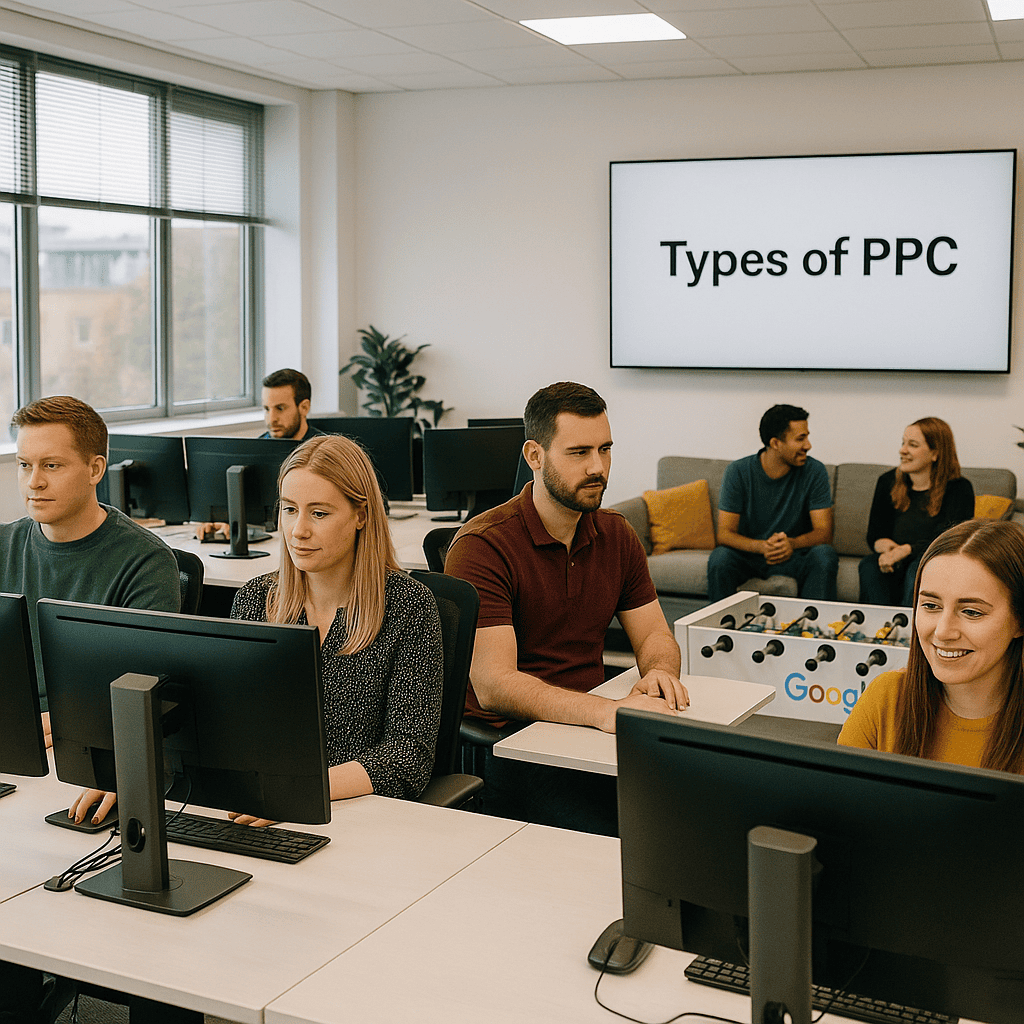
Understanding the different types of PPC campaigns is essential to crafting a well-rounded advertising approach. Each type offers unique advantages that can target various stages of the customer journey. By selecting the appropriate campaigns, businesses can maximise reach, engagement, and conversions effectively.
Incorporating diverse PPC formats within your wider strategy allows for flexibility and optimisation. For example, search ads drive intent-driven traffic, while display ads enhance brand awareness. Aligning these campaign types with your marketing goals ensures coherent messaging across all channels.
Ultimately, recognising how each PPC type complements your overall strategy enables better budget allocation and performance tracking. This holistic perspective is key to sustained growth and improved return on investment in paid advertising.
Our expert team will tailor PPC campaigns to your unique goals, helping you drive targeted traffic and achieve measurable growth with confidence and precision.
Talk to Us About PPC